


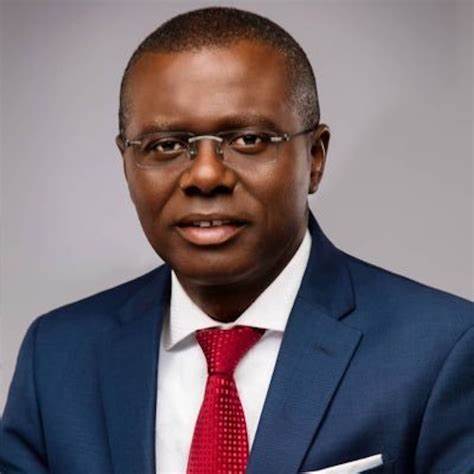
The Lagos State Government has broken its silence regarding the ongoing enforcement and demolition activities in the Makoko area, insisting the intervention is a life-saving necessity rather than an attack on the poor.
Appearing on an AIT programme monitored in Lagos, the Commissioner for Information and Strategy, Gbenga Omotoso, clarified that the state’s actions are focused on urban renewal and protecting citizens from “an emergency waiting to happen.”
At the heart of the government’s argument is the extreme danger posed by residents living directly under high-tension power lines.
READ ALSO: Lagos police arraign activists for singing abusive songs during protest
Omotoso revealed that experts have flagged these areas for the risk of lines snapping into the lagoon or onto the Third Mainland Bridge, potential links to terminal illnesses such as cancer due to prolonged exposure to electromagnetic fields and building within restricted infrastructure corridors and waterway setbacks.
“The government cannot and will not allow residents to remain in environments that pose imminent danger to their lives,” Omotoso stated.
“Should a calamity occur, the same voices questioning government action would ask why preventive measures were not taken.”
Addressing claims of arbitrary displacement, the Commissioner confirmed that the United Nations (UN) is an active partner in the renewal strategy.
He noted that the UN has expressed willingness to support the initiative, both parties agree that certain sections of Makoko are currently unfit for human habitation, the state government has already committed counterpart funding toward a sustainable and humane redevelopment plan and engagement with the Makoko community has been ongoing for approximately five years.
With a population estimated between 25 and 30 million squeezed into Nigeria’s smallest landmass, Omotoso argued that strict adherence to planning regulations is the only way to ensure Lagos remains livable.
He warned that legitimising illegal structures in restricted zones would set a “dangerous precedent.”
He pointed to the relocation of timber operators from Makoko to Agbowa, where the government provided new roads and housing, as a blueprint for how the state handles resettlement when done through proper channels.
While acknowledging the protests sparked by the demolitions, the commissioner reaffirmed the government’s respect for democratic expression but drew a firm line at public disruption.
READ ALSO: Lagos govt disburses N40m to families of LASTMA officers who died in service
A constitutional right that the government will not suppress, blocking major roads or preventing access to hospitals and workplaces is unacceptable.
“Where one person’s rights end, another’s begin,” Omotoso remarked, emphasising that the goal is to transform vulnerable settlements into safer communities that reflect the standards of a modern megacity.
For more details, visit New Daily Prime at www.newdailyprime.news.

