


Tesla is set to discontinue production of its Model S and Model X vehicles, marking the clearest signal yet that the company is shifting away from its electric car business.
Speaking during an investor call on Wednesday, chief executive Elon Musk said the two models would be phased out next quarter.
“It’s time to basically bring the Model S and X programmes to an end,” Musk said.
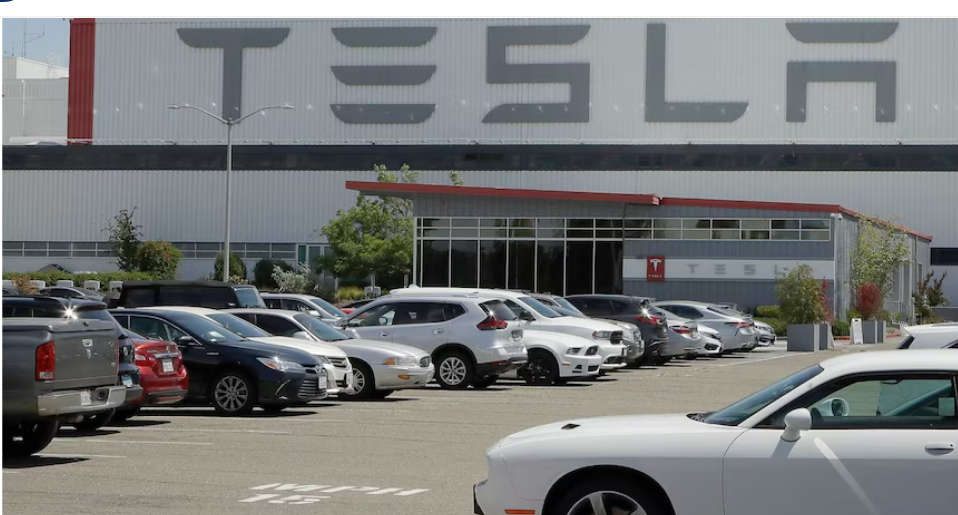
The factory in Fremont, California, currently used to build the Model S and X, will be converted to produce Tesla’s humanoid robot, Optimus, according to Musk.
The announcement comes as Tesla faces falling vehicle sales and declining revenue. In its latest earnings report, the company described the past year as a transition “from a hardware-centric business to a physical AI company”.
Despite reporting its first ever year-on-year revenue decline, Tesla exceeded Wall Street expectations. Fourth-quarter earnings per share came in at $0.50, above analysts’ forecasts of $0.45. Revenue totalled $24.9bn, slightly higher than expected.
Overall revenue fell by 3% compared with the previous year, while automotive revenue dropped by 11%. Vehicle deliveries declined by 16% year-on-year in the fourth quarter, with demand weakening sharply in Europe.
Tesla’s share price rose by as much as 4% in after-hours trading before paring back gains.
As sales have slowed, Musk has increasingly focused attention on artificial intelligence and robotics, including Optimus robots and self-driving robotaxis. None of these products is currently widely available or profitable.
Musk has described Optimus as the “biggest product of all time” and claimed it could help create “a world where there is no poverty”. Tesla said it plans to begin producing the robot before the end of 2026, with public sales expected in 2027.
The company also revealed it had agreed earlier this month to invest $2bn in xAI, Musk’s artificial intelligence firm.
Tesla’s chief financial officer, Vaibhav Taneja, said capital expenditure would reach $20bn, significantly higher than many analysts had predicted.
Although Tesla’s share price fell sharply during Musk’s controversial involvement in government last year, it rebounded to a record high in December amid strong investor interest in AI-related companies.
In November, shareholders approved a revised pay package for Musk that could eventually award him compensation worth up to $1tn if the company meets a series of performance targets.
Some of Tesla’s recent products have struggled to gain traction. Sales of the Cybertruck fell by 48% last year, according to figures from Kelley Blue Book, despite Musk calling it “the best vehicle Tesla has ever made”.
Tesla is also facing intensifying competition, particularly from Chinese manufacturer BYD. The company overtook Tesla last year to become the world’s largest electric carmaker.
BYD’s sales rose by 28% in 2025, driven by cheaper models offered across several international markets.

