


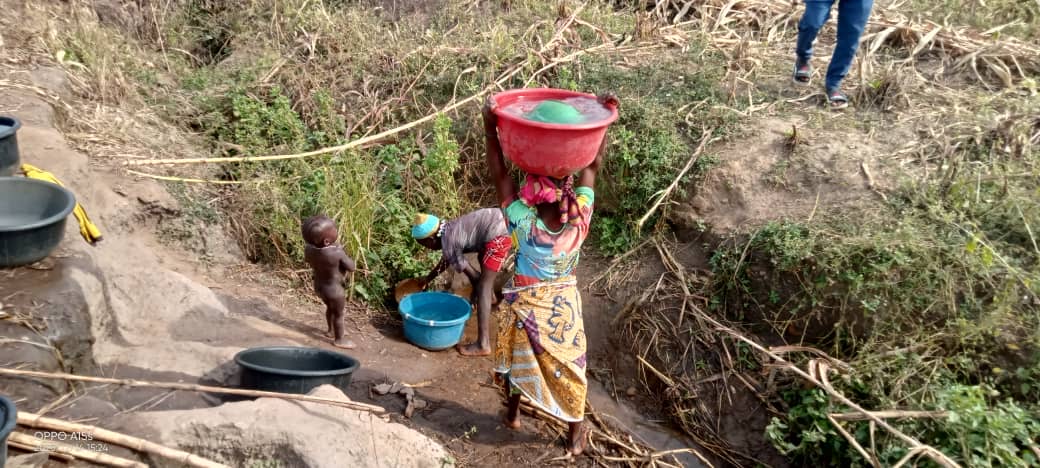
Residents of Kirawa, a remote border community in Gwoza Local Government Area, are forced to travel into neighbouring Cameroon each day to access clean drinking water, exposing the scale of deprivation still facing communities in Nigeria’s conflict-hit North-East.
Kirawa, located about 128 kilometres from Maiduguri, has no functional potable water system. As a result, women and children routinely make long, exhausting journeys across the international border to fetch water for drinking, cooking and basic household use. Residents say the daily trek has become a grim routine, underscoring the absence of basic infrastructure years after insurgency first disrupted life in the area.
The water crisis comes months after Kirawa was hit by renewed attacks by Boko Haram insurgents in August and October 2025. The assaults destroyed homes and public facilities and forced thousands of residents to flee into Cameroon. Many spent weeks sleeping in markets, schools, mosques and on the streets before gradually returning to their community.

Although most residents have since returned, they say the destruction left behind has deepened their hardship. Local water sources were damaged or rendered unusable during the attacks, leaving the community entirely dependent on neighbouring Cameroonian villages for safe water.
Community members told reporters that the burden of fetching water falls largely on women and children, who risk fatigue, illness and security threats during the daily cross-border trips. Some residents said children now spend more time searching for water than attending school, while others expressed fears about waterborne diseases due to inconsistent access.
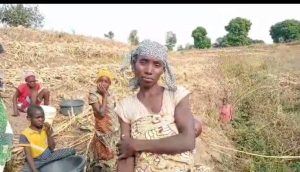
The situation has also raised concerns about dignity and sovereignty, with locals questioning why Nigerian citizens must rely on another country to meet a basic human need. “It is painful that we have to go to another country just to drink clean water,” one resident said.
Following the October attack, Babagana Zulum visited Kirawa and announced immediate approval for critical infrastructure, including potable water facilities, healthcare services and road construction. His office said the intervention was aimed at restoring normal life and encouraging displaced residents to return home.
However, months later, residents say little has changed. They claim that while the promises raised hope, no visible water project has begun, leaving the community trapped between insecurity and neglect. Local leaders say repeated appeals for boreholes and water treatment facilities have yet to yield results.
The Kirawa situation highlights the broader challenges facing many communities across Borno State, where years of insurgency have destroyed infrastructure and slowed development. Despite improved security in parts of the state, access to basic services such as water, healthcare and education remains limited in several rural and border areas.
Read related news from New Daily Prime: Niger community resorts to muddy puddles as water sources dry up
Humanitarian experts warn that without urgent investment in essential services, fragile communities like Kirawa risk renewed displacement, health crises and deeper poverty. They stress that access to clean water is central not only to survival, but to long-term recovery and stability in post-conflict regions.
For residents of Kirawa, the hope is simple: a functioning water supply within their own community. Until that happens, the daily journey into Cameroon remains a stark reminder of how far recovery has yet to go in Nigeria’s North-East.

