


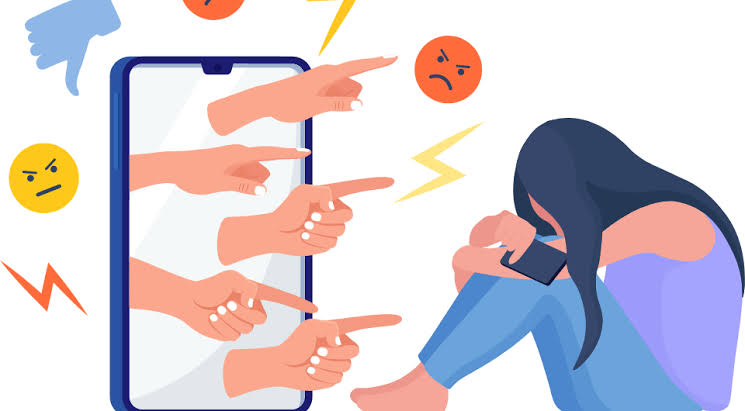
Nigeria’s fast-growing digital space has opened doors to learning, business, and civic participation, but it has also created a parallel crisis: the rapid spread of online gender-based violence (OGBV).
From cyberbullying and stalking to impersonation, doxxing, sextortion and the non-consensual sharing of intimate images, digital platforms have become hostile environments for many women and girls.
Recent online trends and viral incidents highlight how easily abuse spreads. A single tweet, screenshot or manipulated image can trigger mass harassment within minutes. Women who speak on politics, gender issues, or social justice are often targeted with sexualised threats, coordinated attacks, and reputation-smearing campaigns.
Also, the rise of artificial intelligence has worsened this, with AI-generated nude images increasingly used to blackmail and humiliate women online.
Globally, nearly one in three women experiences physical or sexual violence in their lifetime, according to UN Women. In the digital context, between 16% and 58% of women report experiencing some form of technology-facilitated abuse, depending on the region.
Studies consistently show women are disproportionately targeted, reflecting offline gender inequalities that have migrated online.
In Nigeria, the impact is particularly severe. Many women now avoid social media, political discussions, online businesses, or advocacy work due to fear of harassment. This withdrawal reinforces gender gaps in digital participation. Data trends also show fewer female users on social platforms compared to men, partly linked to sustained online abuse and a lack of protection.
The consequences are not abstract. Survivors report anxiety, depression, reputational harm, job loss, and total retreat from public digital spaces. Yet institutional responses remain weak.
Nigeria lacks a national database for tracking online abuse, and many survivors do not trust law enforcement to take complaints seriously. Cases are often dismissed as “social media issues,” despite the real-world harm they cause.
Legal frameworks exist but remain limited. The Cybercrime Act addresses cyberstalking and child pornography, while the Violence Against Persons Prohibition (VAPP) Act criminalises stalking and harassment. However, gaps remain. Non-consensual sharing of intimate images, AI-generated abuse, and other emerging forms of digital harm are not explicitly covered.
Compounding this problem, the VAPP Act has not been domesticated in all states, leaving uneven protection nationwide.
Recent public conversations around revived abuse cases, viral survivor stories, and influencer-led advocacy show how algorithms can resurface trauma without accountability. Harmful content spreads faster than safeguards, while victims are left to manage the fallout alone.
Experts argue that addressing OGBV requires more than individual resilience. There is an urgent need for updated laws, specialised digital crime units, survivor-centred reporting systems, and faster content takedown processes. Public education is equally critical, especially for young girls, on recognising abuse and seeking help early.
Online gender-based violence is not a niche issue but a structural threat to women’s safety, voice, and participation in Nigeria’s digital future.
As technology evolves, policy and accountability must keep pace. Without decisive action, the internet will continue to reproduce the same inequalities it once promised to dismantle.
Editor’s note: This opinion is solely that of the writer.
For more details, visit New DailyPrime

