


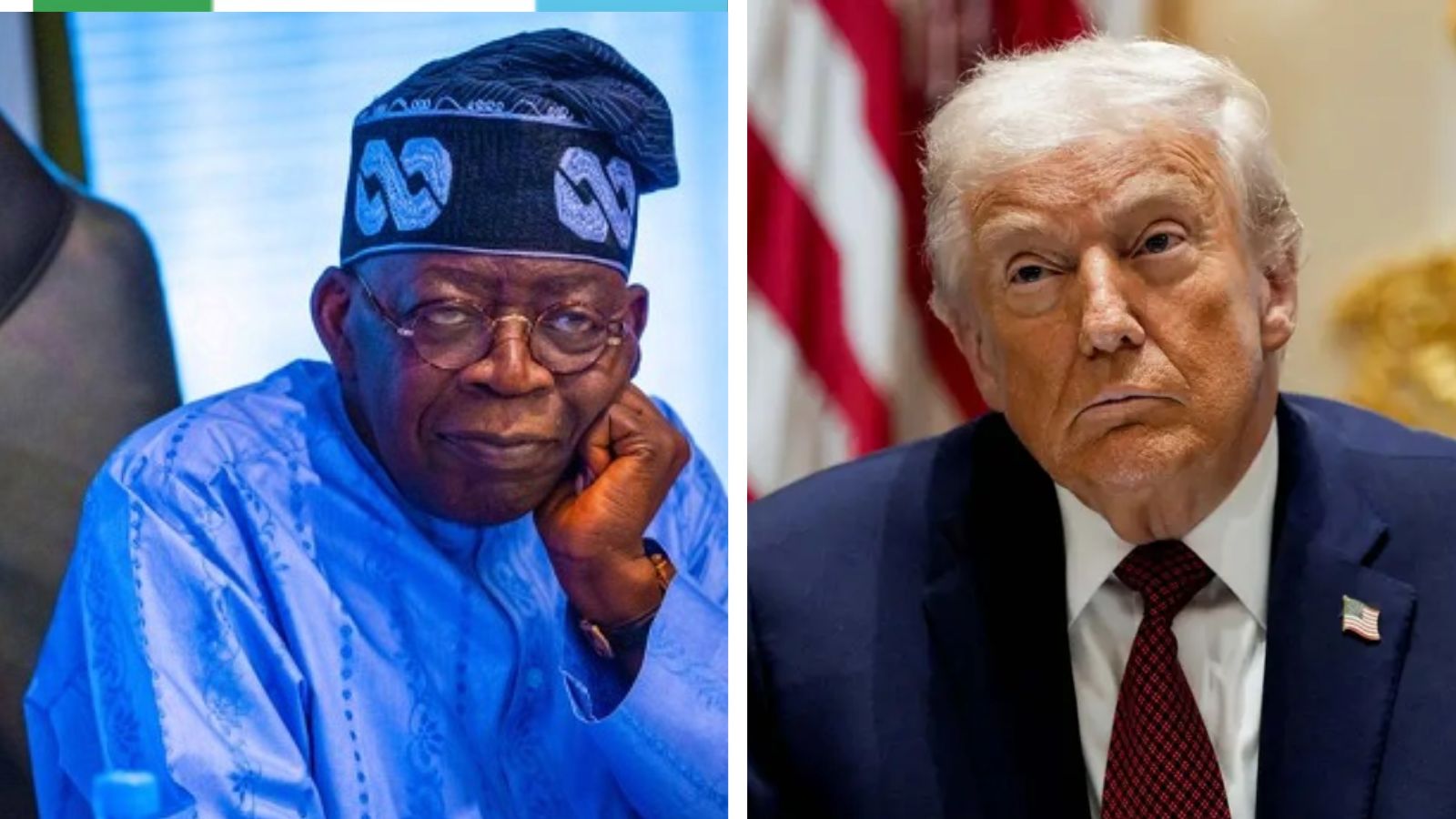
The United States military has stepped up its support for Nigeria’s defence forces by increasing deliveries of military equipment and intensifying intelligence sharing, as part of a broader American strategy to combat Islamic State-linked insurgents across Africa, senior US officials have confirmed.
Lieutenant-General John Brennan, Deputy Commander of the United States Africa Command (AFRICOM), disclosed in an interview that Washington has adopted a more assertive posture toward extremist groups, notably Islamic State affiliates, and is working closely with Nigerian military partners to tackle these threats.
In recent months, the US has accelerated deliveries of military materiel and expanded intelligence support to Nigerian forces. According to Brennan, these efforts aim to “enable partners and then provide them with equipment and capabilities with fewer restrictions” to disrupt and dismantle militant networks.
Read related new from New Daily Prime:
Nigeria records N4.82trn African exports as regional trade gains momentum
Trump official promises security support for Nigeria Police
Starmer rejects Trump pressure on Greenland
The strategic shift follows unprecedented cooperation in December 2025, when US forces conducted airstrikes against Islamic State-linked targets in northwest Nigeria with Abuja’s approval. The operations marked a rare instance of American kinetic action on Nigerian soil and underscored the deepening security partnership between the two nations.
Last week, Abuja hosted the inauguration of a US–Nigeria Joint Working Group, designed to coordinate intelligence sharing, operational planning, and counter-terrorism activities. Officials from both countries underscored that the collaboration is intended to bolster Nigeria’s capacity to confront extremist cells, including those affiliated with the Islamic State West Africa Province (ISWAP) and other militant factions.
Despite the operational progress, the partnership remains politically sensitive. At the security meeting in Abuja, a senior US State Department official called on Nigerian authorities to protect vulnerable communities — remarks that highlighted ongoing diplomatic tensions over how violence in Nigeria’s conflict zones is framed and addressed.
Nigerian authorities have welcomed the heightened cooperation but caution that the campaign against armed groups is “still a work in progress.” Analysts note that while enhanced intelligence and equipment can support air operations and ground offensives, long-term peace will depend on broader efforts to strengthen governance, address poverty, and improve local security infrastructure.
For more details visit www.newdailyprime.news

