


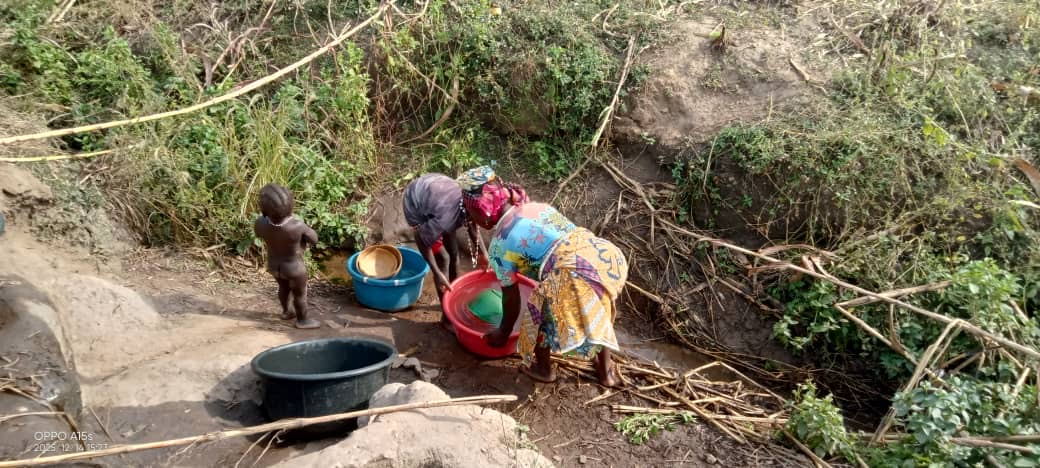
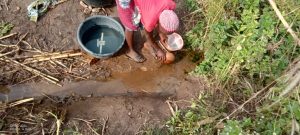
On a scorching Saturday morning in Tuluku community, Shiroro Local Government Area of Niger State, 38-year-old Jummai Tanko bent over a muddy puddle, scooping brown, lukewarm water into a blue plastic bowl. The water is cloudy, foul smelling, and shared with animals has become the village’s main source of survival as climate change, insecurity, and neglect deepen an already dire water crisis.

With ebbing rain and extreme heat drying up streams, residents say access to safe water has become nearly impossible. Fear of armed bandits’attack is built on residents’ mind, forcing families mostly women and children to rely on unsafe water despite the health risks.
READ MORE:Beyond rising waters: How climate change is rewriting life in Nigeria
Flood dangers mount as states ignore FG warnings
“It is dirty, but it is the only water we have,” Mrs Tanko said, wiping sweat from her face. “We can’t go to the borehole again. The borehole is not working. The water has changed colour and animals drink from it too.”
Every day before dawn, Mrs Tanko and other women trek long distances in search of water their families can barely call safe. At dried-up streams, they dig shallow ditches, often finding nothing but cracked earth under the relentless heat.
“We only have one stream for cooking, drinking and washing,” she told New Daily Prime. “It usually dries up during harmattan. We have appealed to the government many times, but nobody listens.”
Climate change intensifies the crisis
According to the World Meteorological Organization (WMO), 2025 continued a three-year streak of extraordinary global heat, with surface air temperatures averaging about 1.48°C above pre-industrial levels. The WMO’s consolidated analysis ranked 2025 as either the second or third hottest year on record, following 2024, which was marked by devastating heatwaves and wildfires.
Scientists say reduced rainfall, extreme temperatures and environmental degradation largely driven by fossil fuel use are worsening water scarcity across vulnerable regions like North-Central Nigeria.
Women bear the heaviest burden
Maryam Zakaria, who moved to Tuluku over 30 years ago after marriage, said the struggle for water has defined her life in the community.

“Since the day I came here, water scarcity has been our reality,” she said, clutching her bowl. “Cattle and herders drink from the same water we use.”
The health consequences have been severe. Zakaria said her child fell ill after drinking contaminated water, suffering stomach pain and diarrhoea.
“I took him to the hospital in Gwada, and the doctors told us to always drink clean water,” she said. “But where is the clean water?”
Residents say such illnesses are common, particularly among children, as families are forced to rely on polluted ditches.
Abandoned borehole deepens suffering
A community leader Usman Malami blamed the worsening crisis on an abandoned borehole project.

“The borehole constructed during the tenure of former Shiroro chairman, Hashimu Kundi, has not worked for over 20 years,” Malami said. “Because of climate change and population growth, the little water we had now dries up completely.”
He said women often wake up in the middle of the night to fetch water before streams dry up or become polluted by livestock.
“I pity our wives,” he added. “They risk their lives just to get water.”
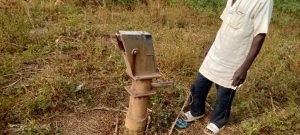
When New Daily Prime visited Tuluku, the community’s only borehole was non-functional. Residents said it has never been repaired since it was installed more than two decades ago.
With no alternatives, commercial water vendors transport water from distant communities and sell it at high prices often beyond what villagers can afford.
“The water smells bad and tastes terrible,” Malami said. “But we have no choice.”
‘Water is life, but we are struggling to survive’
Hassana, a housewife who has lived in Tuluku for over 30 years, said the water crisis has worsened the hardship faced by women.
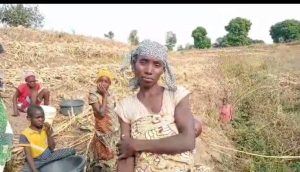
“In a day, we may get just one rubber of water, and it is never enough,” she said. “Sometimes we walk two kilometres to dig for water and still return home empty-handed.” She accused successive governments of abandoning the community.
“We have suffered water scarcity for decades. The borehole project was abandoned, and nothing has changed.”
Holding back tears, she added: “Water is life. But for us, it has become a struggle to survive. Our children are falling sick from diseases that can be prevented. We need help, and we need it urgently.”
“All hands are on deck”, the union leader
Residents are now appealing to government authorities, humanitarian groups and development partners to intervene and restore access to clean water in Tuluku.
Ibrahim Usman Kuta, Chairman of the Shiroro Youth Association, told New Daily Prime in a telephone interview that the community’s situation requires immediate attention, stressing that access to safe water is critical to health, dignity and survival.
“Due to climate change, the only source of water by this time around is usually unclean and sometimes, it reduce, due to hamattan and all of that”, he told New Daily Prime, in telephone interview..
Kuta further stressed that the only borehole situated in the remote village is not functioning, noting that his leadership is aware of the plight of Tuluku.
“We decided to embark on an investigation in the community. During our investigation, we came to realize that the community is fetching water in a canal and that canal is the only source they are having for now and it is the same canal that animals are also using to quench their thirst”, he added, explaining that the canal is so small.
The community leader noted that where residents fetch water for domestic uses, is too small and takes more than 30 minutes before water reconvene after being fetched.
He added that their investigation revealed that over 40 residents particularly women waiting everyday to fetch water, stressing that when one fetches one bucket a day, that is all.
So when you fetch one basin, that’s all for the day, you allow another person to fetch, so it’s like one basin in a day”, he said. “Out of how many households or people that will depend on that basin. That is where you drink, you also use it for cooking and also you will want to use it for baths and other things”.
He sketched that terrorism in Shiroro area had been a setback for them, especially on socioeconomic activities, stating that Tuluku is partially not affected by insecurity. He stressed that many communities under siege of terrorism, are now accessible.
“So, we can not use insecurity as an excuse to deprive other people of the necessity in life because water is a necessity. So it is not only applicable to Tuluku community, there are several communities that are lacking portable drinking water. Several communities in Shiroro local government. So if NGOs or Government parastertals and other individuals can come in, I think it will go a long way”, he noted.

