


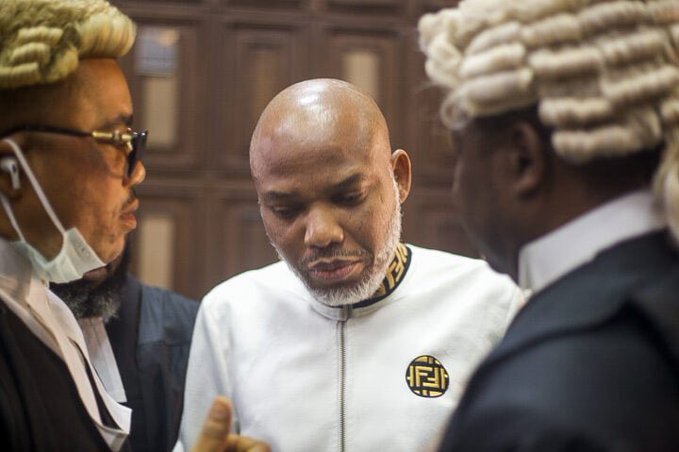
Aloy Ejimakor, legal consultant to Nnamdi Kanu, the detained leader of the Indigenous People of Biafra (IPOB), has claimed that widespread dissatisfaction is growing across the South-East over Kanu’s life imprisonment, warning that the discontent could significantly influence voting patterns in the 2027 general elections.
Ejimakor asserted in a post on X (formerly Twitter) that he had observed after travelling extensively across the South-East during the Christmas and New Year period. According to him, many Igbo people remain deeply unhappy with Kanu’s conviction and are demanding urgent action to reverse or review the judgment.
“I travelled around the entire Southeast during this Xmas/New Year period and noticed that Ndigbo are very unhappy about the conviction of Mazi Nnamdi Kanu and that if it’s not rectified urgently, they will surely make their feelings known in the 2027 elections. Even Google confirms it,” Ejimakor wrote.
Kanu, a prominent figure in the separatist movement advocating for the restoration of an independent Biafra, was sentenced to life imprisonment in 2025 by the Federal High Court sitting in Abuja. The court found him guilty on terrorism-related charges linked to his leadership of IPOB and his alleged role in inciting violence and unrest in parts of the country.
READ ALSO: Ejimakor says Kanu’s self-representation delaying appeal, compares him to Awolowo
Justice James Omotosho, who delivered the judgment, stated that the offences were grave and carried severe consequences under Nigerian law. In a controversial remark, the judge noted that Kanu could have been sentenced to death by hanging but opted instead for life imprisonment, describing the decision as an act of judicial leniency.
Kanu’s conviction has continued to polarise opinion nationwide. Supporters argue that he is being persecuted for exercising his right to self-determination and freedom of expression. At the same time, critics maintain that his rhetoric and activities contributed to insecurity, particularly in the South-East.
For nearly a decade, Kanu has been embroiled in legal battles with the Nigerian state, facing multiple charges ranging from treasonable felony to terrorism. His arrest, extradition and prolonged detention have sparked protests both within Nigeria and among members of the Igbo diaspora.
Ejimakor’s warning adds a political dimension to the ongoing controversy, suggesting that unresolved grievances over Kanu’s fate could translate into electoral consequences. As Nigeria moves closer to the 2027 polls, analysts say the handling of sensitive regional issues such as the Kanu case may play a key role in shaping voter sentiment, especially in the South-East.

