


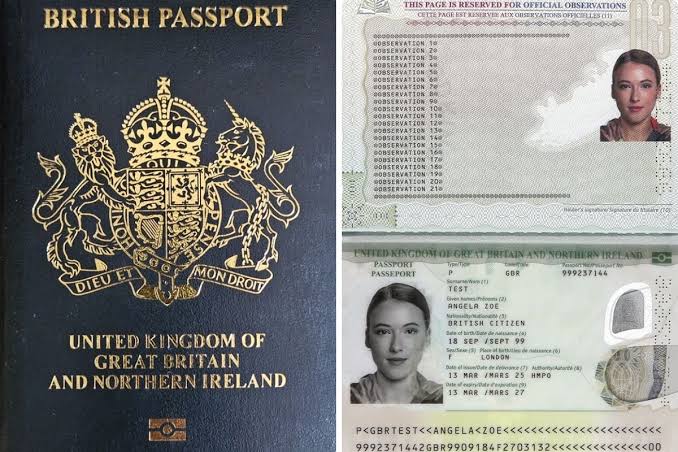
British dual citizens travelling to the United Kingdom without a valid British passport may soon face refusal of entry under new border regulations set to take effect next month, sparking concern among citizens living and working abroad.
Under changes scheduled to come into force on 25 February 2026, British nationals who hold dual citizenship will be required to present either a current UK passport or a certificate of entitlement when entering the country. Those unable to provide the required documentation could experience delays at the border or be denied entry altogether.
Previously, many dual citizens were able to travel to the UK using non‑British passports and, where necessary, prove their citizenship through alternative documents such as expired British passports or certificates of naturalisation. However, the Home Office has confirmed that this flexibility will no longer apply once the new rules are implemented.
The policy change forms part of the government’s wider efforts to digitise and strengthen the UK’s immigration and border control systems through the introduction of Electronic Travel Authorisations (ETAs). While visitors from visa‑free countries will soon be required to obtain ETAs before travelling, British and Irish citizens are exempt from this requirement. Instead, they must now travel using a British or Irish passport or present a certificate of entitlement as proof of their right of abode.
A Home Office spokesperson said the new rules are designed to reduce confusion at borders and improve security checks.
“From 25 February 2026, all dual British citizens will need to present either a valid British passport or a certificate of entitlement to avoid delays at the border,” the spokesperson said.
“Digitising the immigration system ensures a more seamless travel experience while giving us greater capacity to prevent individuals who pose a security risk from entering the UK.”
Read related news from New Daily Prime:
Former British champion Peter Oboh urges prayers for Anthony Joshua after crash
Starmer says MPs will vote on any deployment of British troops to Ukraine
UK maternal deaths rise despite pledge to cut rates
UK drops mandatory digital ID plan for workers
The changes will apply to all British and Irish dual citizens living or travelling overseas, including those based in European Union countries. However, individuals travelling on or before 24 February 2026 will still be permitted to enter the UK using a valid non‑British passport under existing rules.
The new requirements are expected to carry financial implications for many travellers. A standard adult British passport currently costs £94.50, while an Irish passport costs €75, with higher fees often charged for applications made from overseas. Alternatively, travellers may apply for a certificate of entitlement, a document placed inside a foreign passport confirming the holder’s right to live and work in the UK, which costs £589.
A House of Commons briefing on the issue noted that although there is no legal obligation for British citizens to travel on a British passport, modern pre‑departure checks carried out by airlines and transport operators make it increasingly difficult to travel without one. The briefing explained that transport carriers rely on Home Office guidance when verifying passenger documents and face penalties for transporting inadequately documented travellers.
The briefing added that while the Home Office has advised dual nationals for several months to travel on British passports, enforcement had been relaxed to give individuals time to adjust. Documents such as expired British passports or certificates of naturalisation are not listed in official carrier guidance, making it unlikely that airlines will accept them.
As the implementation date approaches, affected travellers are being urged to check their documentation carefully and apply early for the necessary travel documents to avoid disruption. For many dual citizens, the changes mark a significant shift in how they are able to return to the UK, raising questions about cost, accessibility, and preparedness ahead of the new rules.
For more details, visit www.newdailyprime.news

