


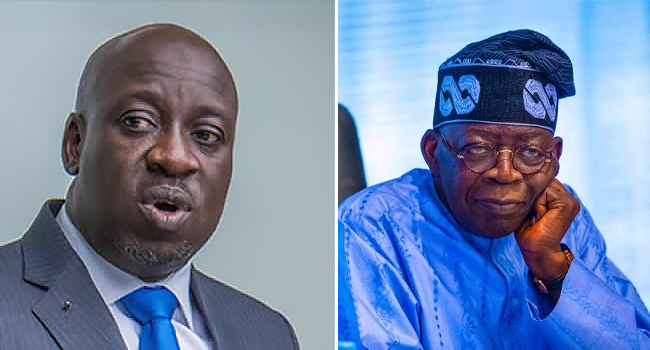
The African Democratic Congress (ADC) has strongly criticised President Bola Tinubu’s administration for approving a controversial $9 million lobbying contract with a US firm, describing it as an “obscene” misuse of scarce public resources to polish Nigeria’s international image while citizens face severe economic hardship and insecurity.
The contract, reportedly signed in December 2025 with Washington-based DCI Group a Republican-linked lobbying firm aims to communicate Nigeria’s efforts in protecting Christian communities and countering jihadist threats, amid heightened scrutiny from the United States under President Donald Trump.
Reports indicate the deal, facilitated through a Kaduna-based law firm on behalf of National Security Adviser Nuhu Ribadu, involves a six-month retainer with payments totaling $9 million (approximately $750,000 monthly), marking one of the most expensive lobbying agreements ever signed by an African government.
In a statement issued Wednesday, ADC National Publicity Secretary Mallam Bolaji Abdullahi condemned the expenditure as a clear case of misplaced priorities and moral blindness.
Read the related story on New Daily Prime: ADC intensifies 2027 push, invites Jonathan, Saraki, other political heavyweights
“The ADC condemns the Bola Ahmed Tinubu administration for deploying scarce public resources to launder its battered image abroad instead of addressing the deepening security and economic crises at home,” the statement read.
The party highlighted that no African government has previously committed such a large sum to short-term public relations.
It argued that while international representation matters, spending millions on image management when millions of Nigerians struggle to afford food, fuel, or basic healthcare demonstrates insensitivity.
Read the related story on New Daily Prime: ADC criticises South-East APC’s endorsement of Tinubu for 2027 re-election
The ADC further described the move as an admission of diplomatic failure, pointing to prolonged vacancies in key ambassadorial positions and the outsourcing of foreign policy to lobbyists. This, it said, weakens Nigeria’s institutional credibility and reduces diplomacy to “transactional propaganda.”
The criticism comes amid ongoing domestic challenges, including persistent insecurity, inflation, and fuel scarcity, which have fueled public discontent.
For more news, visit New Daily Prime at www.newdailyprime.news

