



by: Gbenga Olaleye & Aleem Ismaeel
Senior members of Nigeria’s Academic Staff Union of Universities (ASUU) have expressed cautious optimism mixed with deep scepticism over the Federal Government’s newly negotiated agreement with university lecturers, warning that salary levels, implementation gaps, and political interference could continue to destabilise the nation’s higher education system.
Speaking in separate interviews, Dr Nwogu Godwin of the Department of Adult Education at the Federal University Oye-Ekiti (FUOYE) and the FUOYE ASUU Chairman acknowledged some positive developments in the agreement. Still, he stressed that longstanding structural issues remain unresolved.
Dr Godwin noted that trust between ASUU and successive governments has historically been weak, describing previous agreements as largely unfulfilled. However, he said the current collective bargaining approach offers cautious hope that implementation may begin in January 2026.
“For the sake of peace and stability in the academic calendar, ASUU has shifted ground,” he explained, adding that the new framework allows for renegotiation every three years. Despite this, he warned that Nigerian academics remain among the lowest paid in Africa.
One of the most welcome aspects of the agreement is the proposed pension reform for professors retiring at 70, which would allow them to receive their final salary as a monthly pension.
Dr Godwin described the reform as long overdue, arguing that senior academics who devoted decades to nation-building often retired into hardship. He said the reform could reinvigorate the profession and encourage experienced scholars to continue contributing solutions to societal problems.
The FUOYE ASUU Chairman was more critical of the proposed 40 per cent salary increase, describing it as grossly inadequate amid soaring inflation and economic pressures.
According to him, the increment does little to stem the growing “japa” syndrome, where Nigerian-trained academics leave for better opportunities abroad. He described it as “a national shame” that a Nigerian professor earns far below their counterparts across Africa.
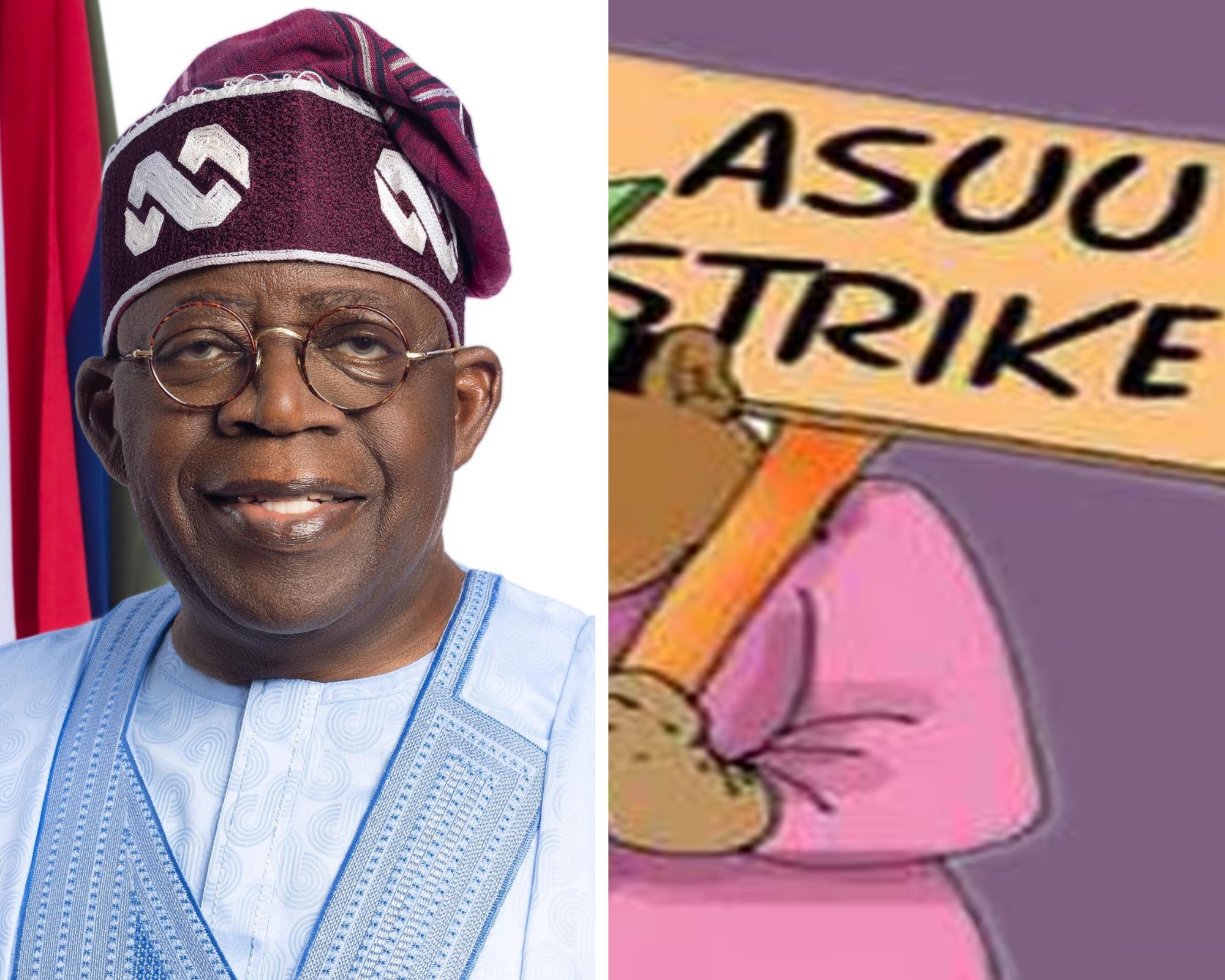
While acknowledging that previous governments repeatedly failed to honour agreements since 2013, the chairman said President Bola Tinubu’s administration has shown marginal responsiveness to ASUU’s demands. He described the government as “worth giving the benefit of the doubt” but stressed that trust would only be earned when lecturers see tangible improvements in their pay.
On industrial action, he rejected claims that ASUU is strike-prone, insisting that strikes remain a last resort after dialogue fails. He cited the unresolved seizure of 3½ months’ salaries as evidence of government insensitivity, even though lecturers had completed their academic obligations.
Beyond pay and pensions, ASUU leaders urged the government to address political interference, corruption, weak university autonomy, and governance failures.
They warned that until these issues are tackled, Nigeria’s universities will continue to struggle under poor leadership and staff shortages.

