


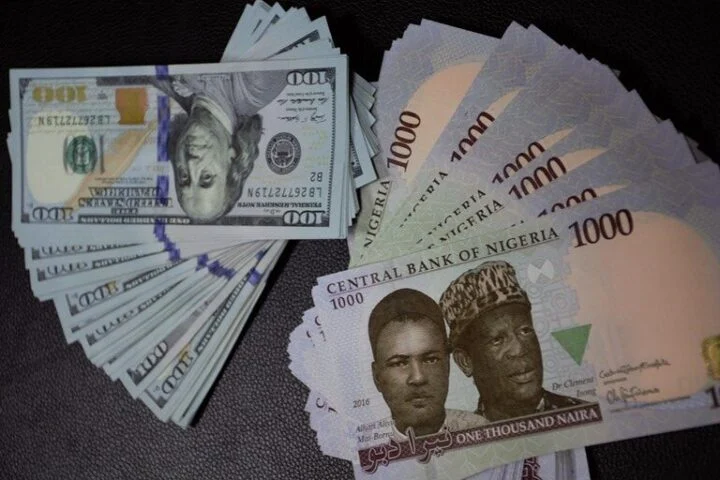
The Nigerian naira maintained stability against the United States dollar on Tuesday, 13 January, as exchange rates closed unchanged across both the official and black markets, according to data from the NGNToday platform.
At the official market, the dollar traded at N1,419, the same rate recorded on Monday, 12 January. The parallel market also remained steady, with the dollar exchanging at N1,495, indicating a continuation of the naira’s marginal appreciation from the previous session.
Market data suggest a calm trading environment, as the local currency faced no fresh depreciation pressures. Analysts describe the session as one of consolidation, with dollar demand and supply appearing relatively balanced across both markets.
The stability at the official window reflects sustained liquidity management and moderated volatility, while the unchanged black market rate points to reduced speculative activity and cautious participation among currency traders.
Despite the persistent gap between the official and parallel market rates, the absence of further weakening is viewed as a short-term positive signal for the naira. Market watchers say such steadiness can help rebuild confidence among businesses and investors adjusting to recent currency swings.
Analysts, however, caution that lasting stability will depend on consistent foreign exchange inflows, clear policy direction, and broader macroeconomic improvements.
For now, Tuesday’s figures confirm a steady start to the trading week, with the naira holding firm against the dollar across Nigeria’s key foreign exchange markets.
At the official market, the dollar traded at N1,419, the same rate recorded on Monday, 12 January. The parallel market also remained steady, with the dollar exchanging at N1,495, indicating a continuation of the naira’s marginal appreciation from the previous session.
Market data suggest a calm trading environment, as the local currency faced no fresh depreciation pressures. Analysts describe the session as one of consolidation, with dollar demand and supply appearing relatively balanced across both markets.
The stability at the official window reflects sustained liquidity management and moderated volatility, while the unchanged black market rate points to reduced speculative activity and cautious participation among currency traders.
Despite the persistent gap between the official and parallel market rates, the absence of further weakening is viewed as a short-term positive signal for the naira. Market watchers say such steadiness can help rebuild confidence among businesses and investors adjusting to recent currency swings.
Analysts, however, caution that lasting stability will depend on consistent foreign exchange inflows, clear policy direction, and broader macroeconomic improvements.
For now, Tuesday’s figures confirm a steady start to the trading week, with the naira holding firm against the dollar across Nigeria’s key foreign exchange markets.
For More Details, Visit New Daily Prime at www.newdailyprime.news
