


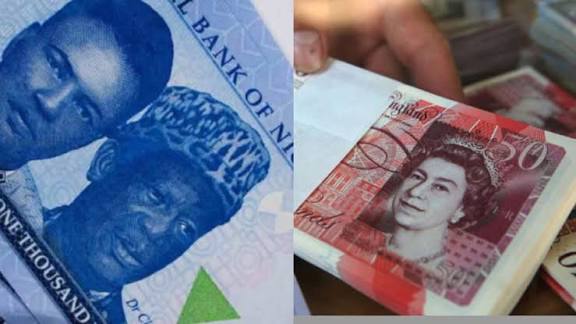
The Nigerian naira (NGN) recorded no movement against the British pound (GBP) sterling on Sunday, 11 January, as exchange rates in both the official and parallel markets remained unchanged from the previous trading day.
Data from the NGNToday platform shows the official rate closing at N1,908 per £1, while the black market rate held firm at N2,010 per £1, matching levels recorded on Saturday, 10 January.
This price stability highlights a period of low volatility in the foreign exchange market, particularly during weekend trading when demand pressures tend to ease. The unchanged rates suggest a temporary balance between pound supply and naira demand, even as broader structural challenges in Nigeria’s FX market persist.
In the official market, the N1,908/£ rate reflects pricing within regulated FX channels, where transactions are shaped by banking-sector liquidity, remittance inflows, export proceeds and policy signals from the Central Bank of Nigeria (CBN). While access to foreign exchange remains selective, recent stability indicates that official dollar and pound allocations have been sufficient to prevent fresh depreciation pressure in the short term.
The parallel market, however, continues to trade at a premium, with the pound exchanging at N2,010. The N102 gap between official and black market rates underscores lingering inefficiencies in forex distribution. Many individuals, travellers, import-dependent businesses and informal traders still rely on the street market to meet urgent FX needs, sustaining demand and keeping rates elevated outside official channels.
Currency analysts note that although the pound-naira spread has narrowed compared to earlier periods of sharp volatility, the persistence of the premium signals ongoing structural demand for foreign currency. The black market remains a real-time indicator of unmet forex needs, particularly in cash-based transactions where official supply is limited.
External factors also continue to influence the GBP/NGN outlook. Movements in global currencies, oil price fluctuations and capital flow dynamics all affect naira performance. At the domestic level, market participants are closely watching CBN efforts to strengthen liquidity, deepen market transparency and improve confidence in the FX framework.
Overall, the pound’s unchanged position at N1,908 officially and N2,010 on the street paints a picture of short-term calm rather than long-term resolution. While the naira has avoided further weakening against sterling, sustained stability will depend on improved forex supply, stronger export earnings and continued policy clarity.
As the new trading week approaches, stakeholders will be monitoring whether this steady trend holds or gives way to renewed pressure driven by fresh demand and global market signals.
For More Details, Visit New Daily Prime at www.newdailyprime.news

