


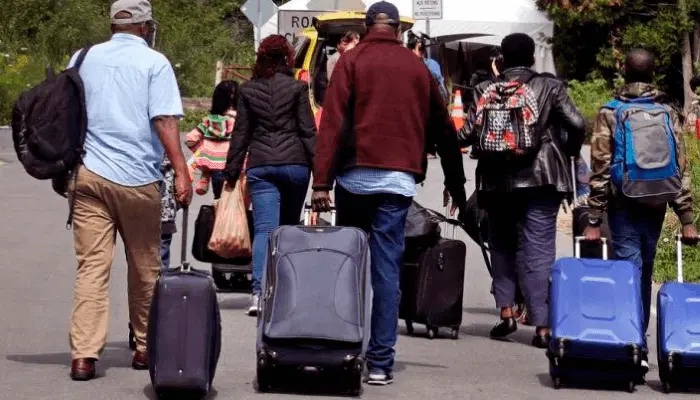
Eighty asylum seekers locked up at Harmondsworth immigration removal centre have issued a desperate plea for a United Nations investigation into what they describe as inhumane treatment by UK authorities. These men, who fled war-torn countries like Sudan, Afghanistan, and Iran, have compiled a harrowing report detailing experiences of fear, humiliation, and severe mental harm – painting a grim picture of Britain’s detention system.
The detainees, many of whom crossed the Channel in small boats seeking safety, speak of being held in conditions that exacerbate their trauma. They report inadequate medical care, limited access to lawyers, and insufficient time to recover from perilous journeys before being detained. Depression, anxiety, and insomnia are rife, with some resorting to self-harm in despair. “We came here for protection, but found only suffering,” one anonymous contributor wrote in the report, shared with campaign groups and media.
Read related news from New Daily Prime:
Afghan migrant accused of raping two girls had been granted leave to remain in UK
Afghanistan earthquake kills 20, injures hundreds
This comes as new government powers, effective from this week, allow border officials to seize mobile phones from arrivals without even arresting them. At processing centres like Manston in Kent, migrants face invasive searches – including checks inside their mouths – which critics brand as degrading and disproportionate. Legal experts argue these measures lack proper oversight, raising questions about whether they are applied fairly and only when necessary. “It’s punishing the vulnerable for seeking asylum,” said a spokesperson from Detention Action.
Meanwhile, an inspection at Derwentside women’s immigration centre in County Durham revealed shocking inefficiencies. Nearly 60 per cent of detainees were released back into the community rather than deported, fuelling arguments that many are held needlessly. The centre’s remote location means only 17 per cent of women receive family visits, adding to isolation. Alarmingly, five women were discharged homeless, highlighting failures in planning for their release. Campaigners like Women for Refugee Women call it “a system in crisis,” demanding urgent reforms to prevent unnecessary suffering.
Underpinning these issues is the government’s “one in, one out” scheme with France, aimed at swiftly returning small boat arrivals. Yet, in its first three months, only 193 people were sent back, while 41,472 crossed the Channel in 2025 – the second-highest year on record. Home Office officials insist priorities include welfare and targeting smuggling gangs, but detainees counter that their treatment feels punitive, not protective.
These revelations arrive amid broader shifts in UK immigration policy. From January 8, tougher English tests for skilled workers kicked in, and electronic travel authorisations expanded. The government, under pressure to show control, has proposed extending waits for citizenship to 20 years for some refugees – a move opposed by Labour backbenchers as overly harsh.
Human rights groups warn that such stories erode Britain’s reputation as a haven for the persecuted. “Detention should be a last resort, not a default,” said Steve Valdez-Symonds from Amnesty International UK. “These accounts demand accountability.”
Ministers defend the system, pointing to falling net migration and visa applications – down 36 per cent for skilled workers last year. But with public confidence low, as recent polls show, these individual tales could sway opinion. The UN has yet to respond, but pressure mounts for an independent review.
As the UK navigates post-Brexit borders and global crises, balancing security with humanity remains key. For these 80 men at Harmondsworth, their report is a cry for justice – one that echoes far beyond the detention walls.

