



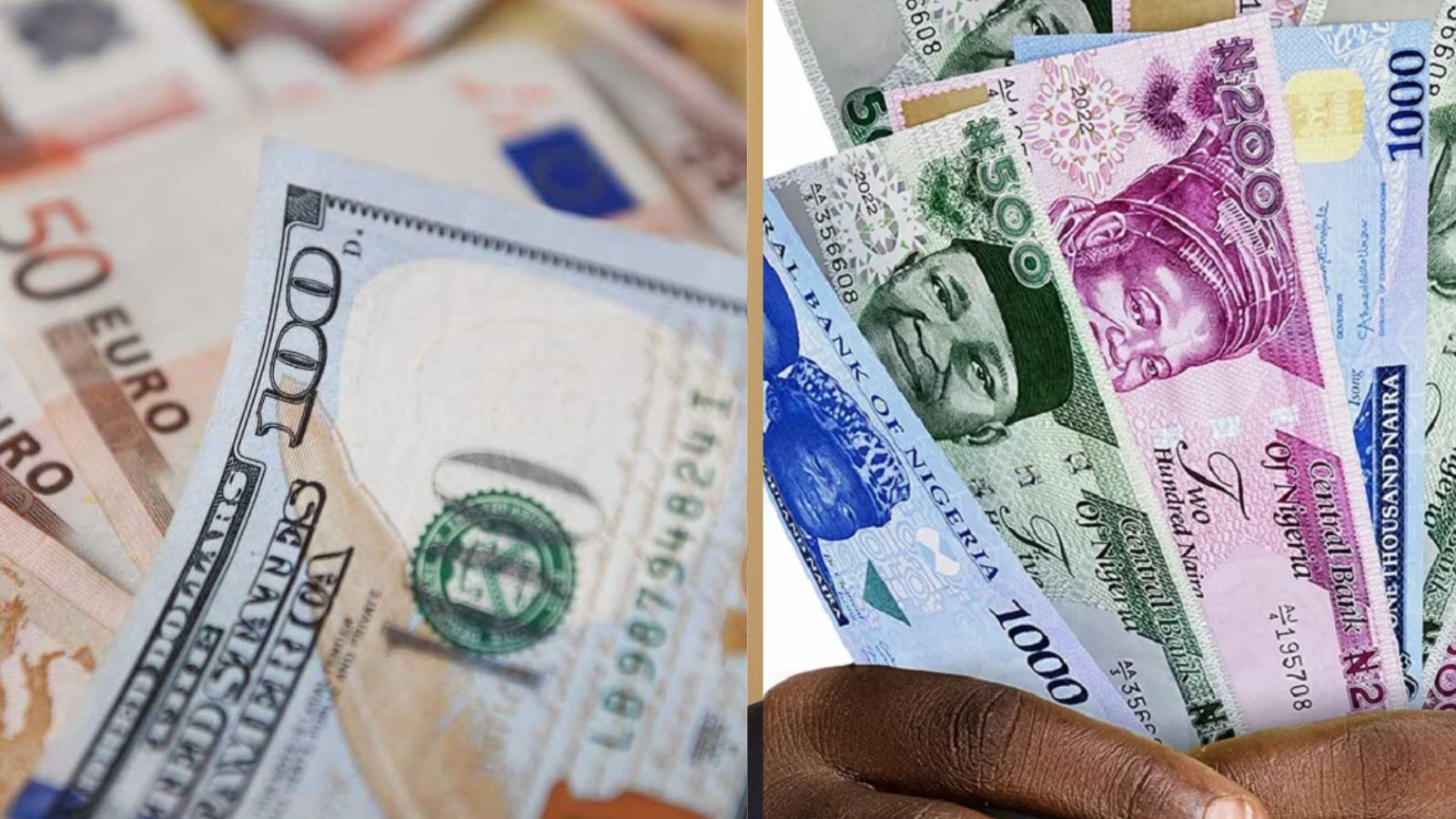
An examination of Nigeria’s foreign exchange data for 9 January, reveals a market in pause mode rather than motion reflecting Thursday market.
According to figures published by the NGNToday platform, the naira closed the trading day unchanged against the United States dollar across key market segments.
The official exchange rate settled at N1,419 per dollar, while the black market rate remained fixed at N1,460, confirming a session defined by stability rather than speculation.
From an analytical standpoint, the absence of rate movement is itself significant. In Nigeria’s typically volatile foreign exchange environment, unchanged figures often point to a temporary balance between opposing market forces.
On the supply side, dollar availability appears sufficient to meet immediate transactional needs, while demand pressures seem contained. This equilibrium reduces the incentive for aggressive buying or selling, resulting in flat closing rates.
At the official market, the N1,419 rate suggests continuity in monetary management. The stability implies that foreign exchange inflow, whether from oil proceeds, remittances, or institutional sources, are being matched effectively with demand from authorised users.
It also reflects the impact of regulatory oversight, which tends to smooth sharp fluctuations through controlled access and structured pricing mechanisms.
The parallel market tells a complementary story. Trading at N1,460, the black market rate showed no deviation from previous levels, signalling muted retail demand and limited speculative trading.
In periods of uncertainty, the parallel market often reacts swiftly, with rates adjusting upward in response to fear-driven dollar hoarding. Today’s unchanged rate indicates that such sentiment was largely absent, as traders and buyers adopted a cautious, observant stance.
One of the most telling indicators in today’s data is the spread between the official and parallel markets, which stands at N41. While still notable, this margin is narrower than what has been recorded during times of severe currency stress.
A reduced spread typically reflects improved alignment across the forex ecosystem, suggesting that pricing signals from the official market are increasingly influencing parallel market behaviour. This trend can be associated with ongoing efforts to harmonise exchange rate frameworks and reduce distortions.
From a trend-analysis perspective, steady rates also imply short-term predictability. Businesses involved in importation, pricing, and financial planning benefit from such calm, as it reduces currency risk and allows for more accurate cost projections. For households and small traders, stability limits sudden price adjustments in dollar-dependent goods and services.
However, data stability should be interpreted with caution. While today’s figures show balance, underlying fundamentals remain critical. Inflationary pressures, external reserve levels, global oil prices, and fiscal policy decisions continue to shape the naira’s medium- to long-term trajectory.
A shift in any of these variables could disrupt the current calm and reintroduce volatility into both the official and parallel markets.
In practical terms, today’s forex numbers reflect a market waiting for direction. Participants appear to be digesting existing information rather than reacting impulsively. This “hold” pattern is common ahead of major economic signals or policy cues, which can quickly reset expectations.
In conclusion, NGNToday’s data for 9 January, present a clear picture of steadiness. With the dollar trading at N1,419 in the official market and N1,460 in the black market.
While this stability offers short-term reassurance, sustained calm will ultimately depend on consistent inflows, disciplined policy execution, and broader macroeconomic performance in the days and weeks ahead.
For More Details, Visit New Daily Prime at www.newdailyprime.news

