



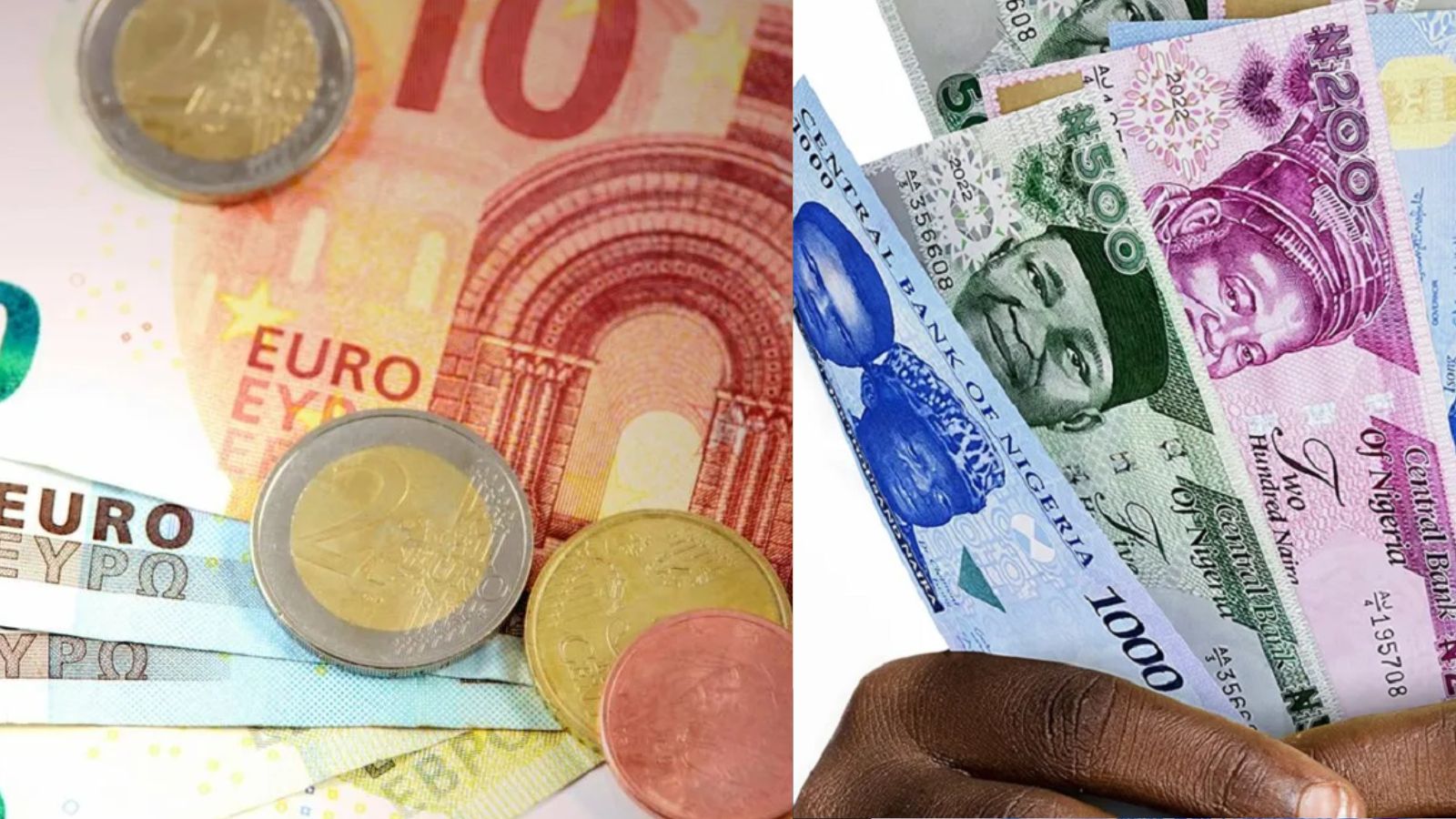
The euro maintained a stable footing against the Nigerian naira on Sunday, January 5, extending the calm seen in the foreign exchange market a day earlier.
Figures from the NGNToday platform indicate that the euro maintained its position, exchanging at N1,678 through official channels and N1,705 on the parallel market, with no change from the levels seen on January 4.
The unchanged figures reflect a brief pause in market activity, as traders, businesses and investors appear to have adjusted to prevailing price levels.
Currency dealers say the steady exchange rate suggests a temporary balance between euro demand and available supply, even as underlying pressures in Nigeria’s foreign exchange market remain largely unresolved.
At the official market, the euro’s stability is largely attributed to regulated foreign exchange allocations and closer monitoring of authorised dealers.
Access to euros through formal channels remains selective, with priority often given to critical sectors of the economy. However, the absence of heightened demand at the start of the week has helped prevent further movement in the official rate, providing short-term predictability for businesses with legitimate foreign currency needs.
In the parallel market, where pricing is driven by open demand and supply dynamics, the euro’s steady exchange at ₦1,705 points to reduced speculative activity.
Traders explain that many buyers are currently cautious, opting to delay large transactions in anticipation of clearer policy direction from monetary authorities. This cautious sentiment has contributed to subdued trading volumes and stable pricing in the informal market.
Economic analysts caution that stability at current levels should not be mistaken for a recovery in the naira’s strength. Instead, it reflects an equilibrium shaped by constrained foreign exchange supply and persistent demand for euros.
Nigeria’s reliance on imports from Europe, combined with ongoing needs for overseas tuition payments, medical travel and business transactions, continues to exert pressure on the local currency.
The euro’s performance against the naira is also influenced by developments in the global economy.
As a major international currency, the euro responds to shifts in global interest rates, inflation trends and geopolitical conditions. Analysts note that any significant changes in global financial markets could quickly disrupt the current calm in Nigeria’s foreign exchange space.
For households and businesses, the steady exchange rate offers both relief and challenges.
While predictability reduces short-term uncertainty, the wide gap between the official and parallel market rates continues to affect pricing strategies and cost structures, particularly for import-dependent businesses.
These higher costs are often passed on to consumers, contributing to persistent inflationary pressures.
The Central Bank of Nigeria (CBN) has reiterated its commitment to ongoing reforms aimed at improving foreign exchange liquidity and enhancing transparency. Efforts to attract foreign investment, boost non-oil exports and strengthen diaspora remittances are widely seen as crucial to achieving long-term stability in the naira.
As of 5 January, NGNToday data confirm that the euro remains steady at N1,678 at the official market and N1,705 in the black market, unchanged from 4 January.
Market participants will continue to monitor policy developments and global economic trends for signs of whether this period of stability can be sustained in the days ahead.
For More Details, Visit New Daily Prime at www.newdailyprime.news

