


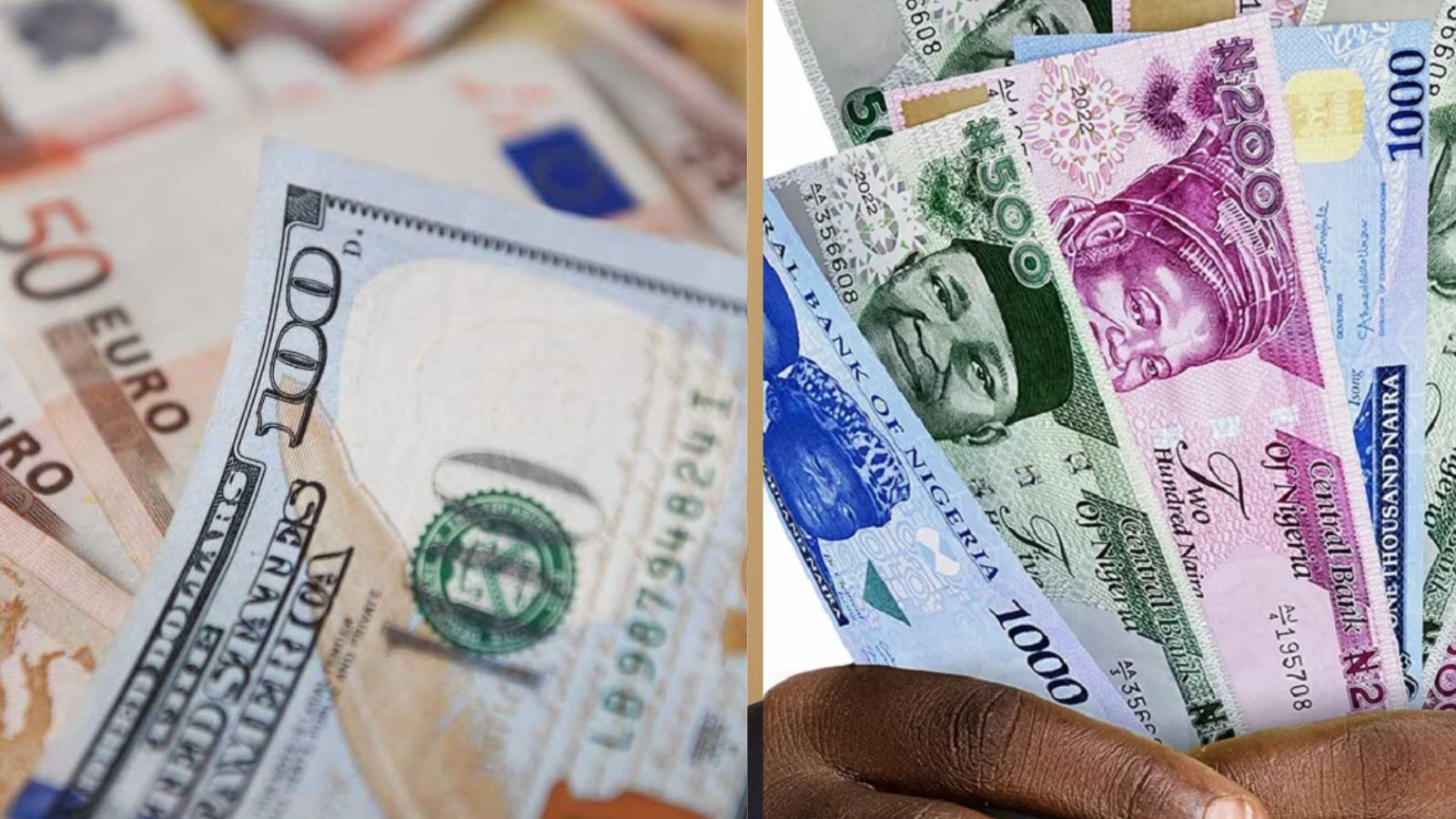
The United States (US) dollar maintained a steady exchange rate against the Nigerian naira on Sunday, 5 January, extending the calm recorded a day earlier amid cautious trading across Nigeria’s foreign exchange market.
According to figures released by the NGNToday platform, the dollar continued to trade at N1,430 at the official market and N1,490 in the parallel market, unchanged from rates observed on January 4.
The lack of movement in both segments of the market suggests a temporary balance between demand and supply, as market participants appear to be adjusting to prevailing price levels. Currency analysts say the stability reflects restrained demand, limited speculative trading, and a wait-and-see attitude by investors and importers who are closely monitoring signals from monetary authorities.
At the official window, the dollar’s steady position is attributed to regulated allocations and the Central Bank of Nigeria’s (CBN) continued oversight of authorised dealers.
While access to foreign exchange remains selective, particularly for non-priority sectors, the absence of sudden surges in demand has helped keep the rate stable. For businesses able to source dollars officially, the unchanged rate offers short-term predictability for import planning and foreign obligations.
In the parallel market, where rates are largely driven by demand from individuals and small businesses, the dollar’s trading at N1,490 indicates that buyers and sellers have reached a short-term equilibrium.
Traders note that although demand for dollars remains strong, fuelled by overseas school fees, medical expenses, travel costs, and import-related payments, market activity has slowed as participants adjust to current pricing. This has reduced sharp swings that often characterise the informal market.
Economic observers caution that stability at elevated levels does not necessarily signal a strengthening naira. Instead, it reflects underlying constraints in dollar supply and structural weaknesses within the economy. Nigeria’s heavy dependence on imports, limited non-oil export earnings, and fluctuating foreign exchange inflows continue to exert pressure on the local currency, even during periods of relative calm.
The dollar’s performance against the naira is also influenced by global economic conditions.
As the world’s dominant reserve currency, the dollar benefits from international capital flows and investor sentiment, particularly during periods of uncertainty. Any shifts in global monetary policy or geopolitical developments could quickly alter the current stability in Nigeria’s forex market.
For households and businesses, the steady exchange rate presents mixed outcomes. While predictability helps reduce short-term uncertainty, the persistent gap between the official and parallel market rates continues to affect pricing decisions and inflation expectations.
Import-dependent sectors remain particularly vulnerable, as higher costs incurred when sourcing dollars outside official channels are often passed on to consumers.
Monetary authorities have reiterated their commitment to ongoing foreign exchange reforms aimed at improving liquidity, enhancing transparency, and restoring confidence in the market.
Analysts stress that sustained stability will depend on consistent policy implementation, increased foreign investment inflows, stronger export performance, and improved diaspora remittances.
As of January 5, NGNToday data confirm that the dollar remains steady at N1,430 at the official market and N1,490 in the black market, unchanged from January 4. Market participants will continue to watch for policy actions and global economic signals to determine whether this period of calm can be maintained in the days ahead.
For More Details, Visit New Daily Prime at www.newdailyprime.news

