



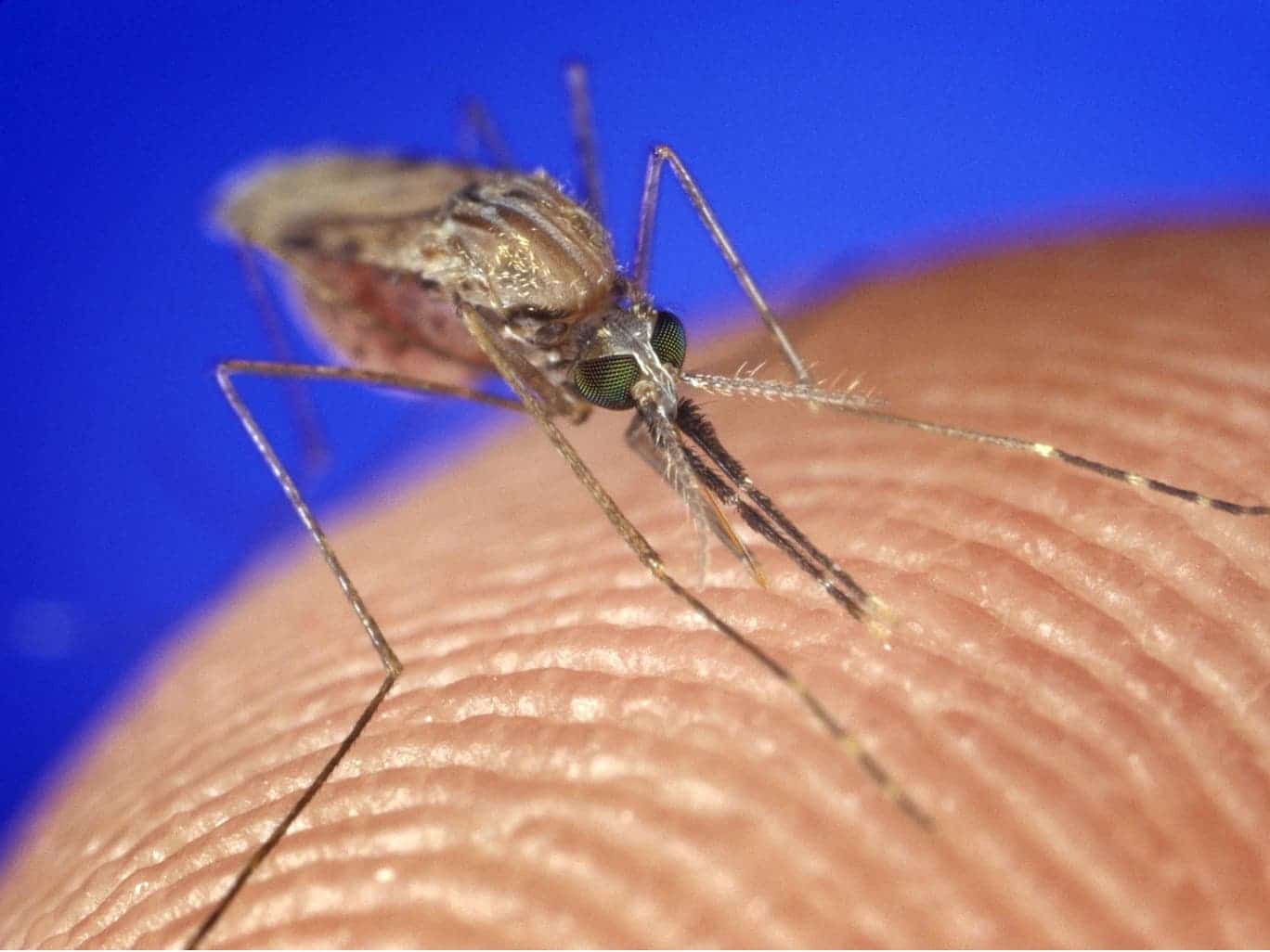
A British biotechnology company is preparing to roll out gene-edited mosquitoes in Djibouti City, marking a new phase in East Africa’s battle against malaria as traditional control methods lose effectiveness.
Oxitec, which developed the genetically engineered insects, plans to release male mosquitoes designed so that their female offspring die before reaching adulthood, preventing them from biting humans and transmitting the disease.
The releases are expected to begin before the end of the year, following earlier pilot trials in the capital.
Malaria remains a major public health burden in Djibouti, infecting up to one in ten people annually.
The disease surged after the arrival of Anopheles stephensi, an invasive mosquito species known for thriving in densely populated urban areas, resisting common insecticides and biting during the day.
Unlike conventional measures such as bed nets and indoor spraying, the Oxitec approach targets the mosquito population itself.
Specially designed boxes containing mosquito eggs are placed in neighbourhoods, where male mosquitoes emerge and mate with wild females, passing on a gene that stops female offspring from surviving long enough to spread malaria.
Oxitec’s chief strategy officer, Neil Morrison, said the technology was developed in response to growing resistance to existing tools and shrinking global funding for malaria control.
He noted that innovation was becoming increasingly critical as donor support from major contributors, including the UK and the US, declines.
The Djiboutian government is working with Oxitec through its Ministry of Health, overseeing local operations and community engagement. Officials say the project is part of a broader effort to regain control of malaria after cases climbed dramatically over the past decade.
Health adviser to the president, Colonel Dr Abdoulilah Abdi, said the spread of the invasive mosquito had affected every aspect of life in the country, from public health to the economy, and welcomed the genetic approach as a necessary addition to existing strategies, says Independent report.
Supporters of the project argue that such public-private partnerships could play a decisive role in preventing a malaria resurgence across Africa, particularly as resistance grows and funding pressures mount.
For More Details, Visit New Daily Prime at www.newdailyprime.news

