



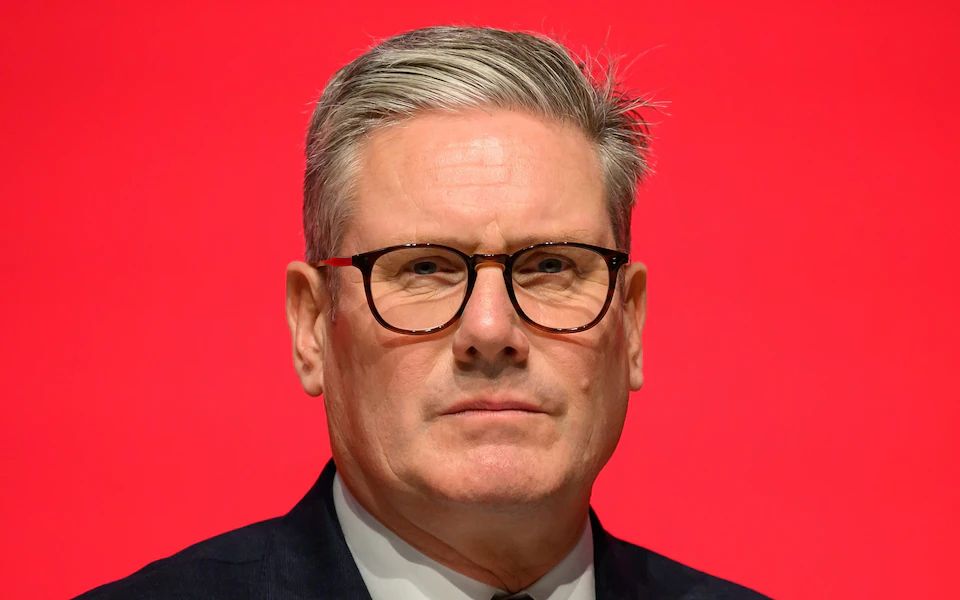
Sir Keir Starmer has come under criticism after welcoming Egyptian pro-democracy activist Alaa Abdel Fattah to the UK, following the emergence of past social media posts in which the campaigner appeared to endorse violence against Zionists and police.
Abdel Fattah, a dual British national, arrived in the UK this week after being released from prison in Egypt. He was jailed in 2021 for “spreading fake news” after sharing a Facebook post alleging torture in the country. The prime minister said he was delighted that the activist had safely arrived and been reunited with his family.
However, shadow justice secretary Robert Jenrick described Sir Keir’s comments as a serious error of judgement. He pointed to historic online messages attributed to Abdel Fattah, saying the prime minister’s remarks amounted to a “personal, public endorsement” of someone whose past language crossed into racism and calls for violence.
Jenrick said: “Nobody should be imprisoned arbitrarily or for peaceful dissent. But neither should the prime minister place the authority of his office behind someone whose own words include the language of bloodshed.”
Several cabinet ministers, including Foreign Secretary Yvette Cooper and Justice Secretary David Lammy, also publicly welcomed Abdel Fattah’s return. The Jewish Leadership Council criticised what it called an effusive welcome from the government.
Although the controversial messages were not brought to the prime minister’s attention until recent days, and that the government considers the remarks to be abhorrent.
Abdel Fattah’s release in September followed years of campaigning by his family, supported by high-profile figures such as Dame Judi Dench and Olivia Colman, as well as lobbying by the UK government. He spent more than a decade in prison, including a five-year sentence handed down in 2021 after a trial widely criticised by human rights groups as unfair.
A government spokesperson said securing his release had been a priority for successive administrations, including the previous Conservative government, stressing that he is a British citizen and that efforts had long focused on reuniting him with his family in the UK. A Labour source accused Jenrick of seeking political advantage by revisiting the issue.
Abdel Fattah, a writer and software developer, became a prominent figure during Egypt’s 2011 uprising that led to the resignation of President Hosni Mubarak. In 2014, his nomination for a European human rights award was withdrawn over earlier tweets about Israel, which he later said were taken out of context during a period of conflict in Gaza.
After being removed from a travel ban, he has now reunited with his 14-year-old son in Brighton. Speaking to the BBC after his release, Abdel Fattah said he was adjusting to life after prison and feeling better than he had expected.
For more news, visit New Daily Prime

