


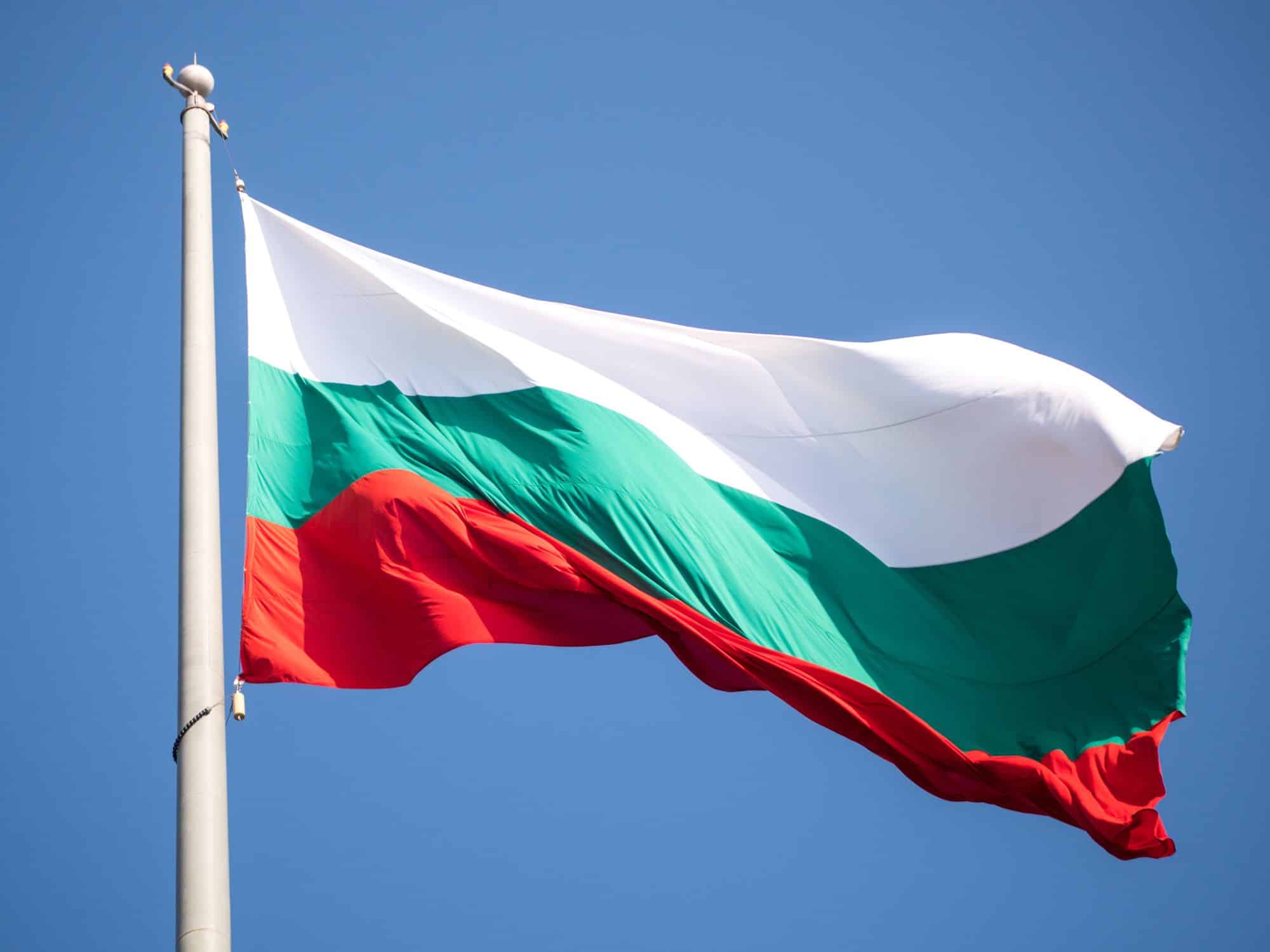
Bulgaria is preparing to adopt the euro in January as political instability and concerns over Russia-linked disinformation fuel public distrust of the new currency.
The Balkan nation of 6.5 million people is due to become the 21st member of the eurozone on 1 January. Leaders in Brussels and Sofia believe the move will strengthen the economy of the EU’s poorest country and anchor it more firmly to the West.
Ursula von der Leyen, president of the European Commission, has said that adopting the euro would bring more trade, greater investment and higher-quality jobs, leading to improved incomes.
During a recent visit to Sofia, the EU’s economy commissioner, Valdis Dombrovskis, described the move as especially important at a time of Russia’s war in Ukraine, rising geopolitical tensions and global economic uncertainty.
“Most European countries, including Bulgaria, are too small to shape today’s world on their own,” he said. “They gain influence by fully integrating into the European Union’s political and economic structures.”
Public opinion, however, remains deeply divided. A recent finance ministry survey found that 51 per cent of Bulgarians support joining the euro, while 45 per cent oppose it.
Tensions spilled over in parliament in June when the European Commission approved Bulgaria’s entry. Lawmakers from the far-right, pro-Russian Revival party blocked the podium, leading to a physical confrontation.
Petar Ganev, a senior research fellow at Sofia’s Institute of Market Economics, said the euro debate reflected wider political fractures.
“The country is divided on almost everything,” he said. “After years of political instability, we are now in a very hostile environment.”
Bulgaria has endured a four-year political crisis marked by seven parliamentary elections and repeated corruption scandals, which have eroded trust in government. Last week, the administration of former prime minister Rosen Zhelyazkov resigned after less than a year in office, following weeks of mass anti-corruption protests.
While the turmoil is unlikely to delay the euro’s introduction, many Bulgarians fear a rise in prices during the transition. With an average monthly salary of about £1,100, such increases would be keenly felt.
Rural communities and older people are expected to be most vulnerable and are among the most anxious, despite assurances from Brussels that there is no evidence the changeover will trigger inflation.
Victor Papazov, a macroeconomist and adviser to the anti-EU Revival party, warned that Bulgaria risked a Greek-style crisis. In a written statement, he said joining the euro would worsen economic problems and offered “not a single serious positive”.
The Revival party’s leader, Kostadin Kostadinov, has previously faced criticism for falsely claiming that Bulgarians would lose their savings after the switch due to changes in the exchange rate.
Investigative reports have also pointed to Russian-linked social media campaigns aimed at undermining support for the euro through disinformation.
Asked about Russian influence, Dombrovskis said it was “no secret” that Moscow was waging a hybrid war against Europe, including political interference and the spread of false narratives.
Despite the controversy, many Bulgarians remain optimistic. Maria Valentinova, a 35-year-old pharmacist from Sofia, said the euro would benefit the economy in the long term and welcomed the fact that her six-year-old son would grow up in a eurozone country.
From 1 January until 31 January, both the lev and the euro will be accepted, after which only euro payments will be allowed. Valentinova described the transition as “a bit stressful” but said she believed it would ultimately be positive.
Ganev said he expected the changeover to be smooth and that most people would adjust within weeks.
“Whether we become a good or bad example in the eurozone,” he said, “depends entirely on us.”
