


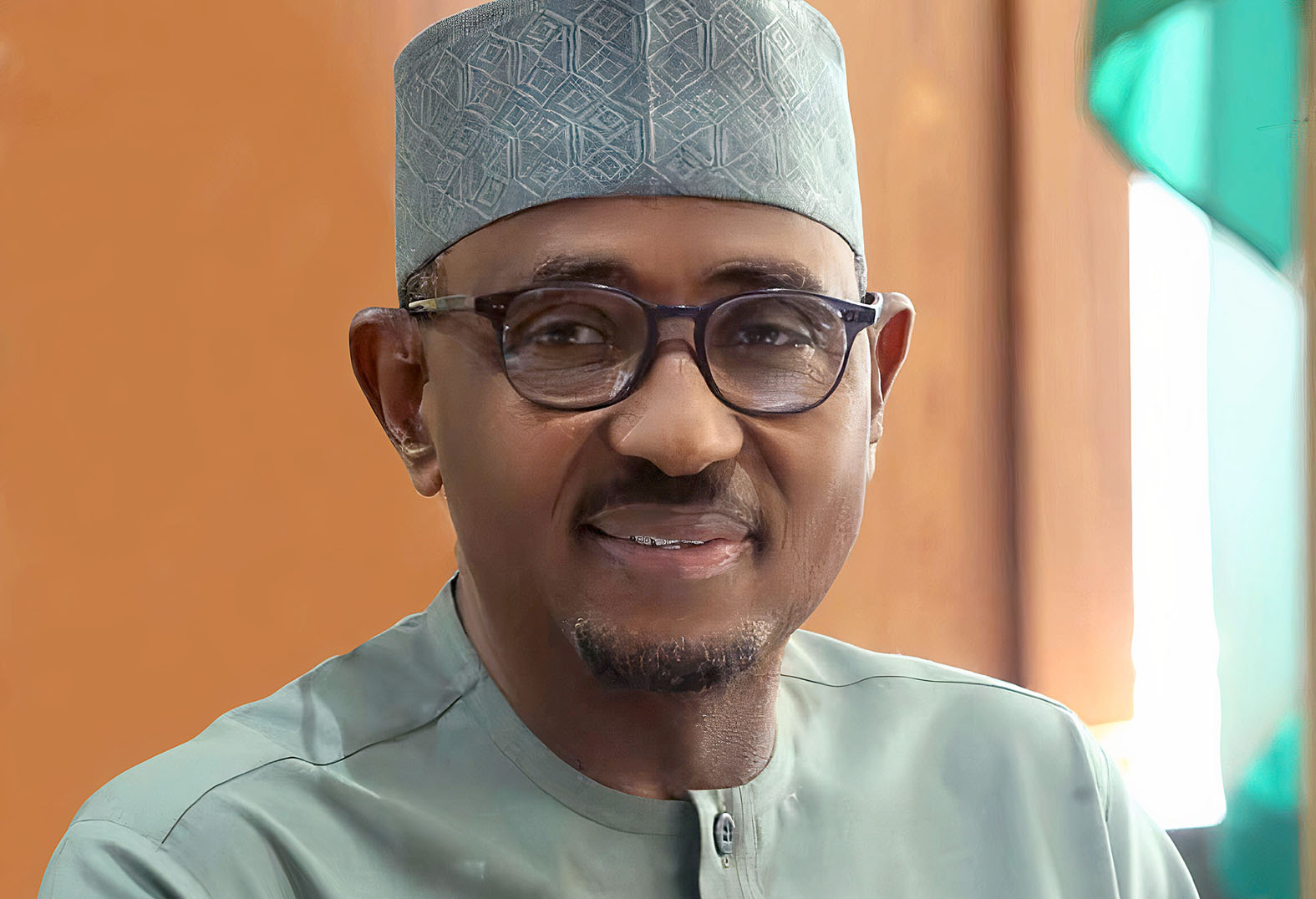
The Chief Executive Officer of the Nigerian Midstream and Downstream Petroleum Regulatory Authority (NMDPRA), Engr. Farouk Ahmed, has denied allegations of corruption and financial impropriety, describing them as misleading and driven by vested commercial interests threatened by ongoing reforms in the downstream petroleum sector.
In a statement issued on Monday, Ahmed said he welcomed scrutiny of his finances and formally invited anti-graft agencies to investigate claims surrounding the funding of his children’s education abroad.
The allegations, which have gained renewed public attention in recent days, accuse the NMDPRA boss of spending between $5 million and $7 million on his children’s secondary education in Switzerland, figures critics say are inconsistent with his official income.
Explains education funding
Responding to the claims, Ahmed said three of his four children received merit-based scholarships covering between 40 and 65 per cent of tuition costs, while additional funding came from family education trust funds established by his late father before his death in 2018.
He stated that his annual compensation as NMDPRA chief, estimated at about ₦48 million including allowances, is publicly available in audited records, adding that he has submitted asset declarations to the Code of Conduct Bureau every year since joining public service in 1991.
Ahmed said he had authorised all educational institutions attended by his children to disclose financial records to authorised Nigerian investigators.
Read more from the New Daily Prime:
Dangote petitions ICPC over alleged corruption by NMDPRA chief Farouk Ahmed
Dangote accuses regulator of fuel import bias, alleges plot to undermine local refining
The regulator called on the Code of Conduct Bureau, the Economic and Financial Crimes Commission (EFCC) and the National Assembly to conduct comprehensive reviews of his finances and professional conduct.
“I will cooperate fully, provide all documentation and answer all questions under oath if required,” he said.
Background: Dangote–NMDPRA dispute
The allegations against Ahmed come amid an escalating public dispute between the NMDPRA and Africa’s richest man, Aliko Dangote, whose $20 billion Dangote Petroleum Refinery began operations in 2024.
Tensions between both sides intensified over disagreements on petroleum import licensing, fuel quality standards and pricing transparency in Nigeria’s downstream sector.
Dangote has repeatedly criticised the continued issuance of petrol import licences, arguing that Nigeria’s refining capacity—particularly from his refinery—should be prioritised to reduce foreign exchange pressure and stabilise domestic fuel prices.
However, the NMDPRA has maintained that import licences remain necessary under the Petroleum Industry Act (PIA) to prevent fuel shortages whenever domestic supply is insufficient. The regulator has warned that reliance on a single supplier, regardless of scale or ownership, poses supply and security risks.
The disagreement became public earlier this year when Dangote accused some regulatory officials of deliberately undermining local refining interests. On December 14, during a press briefing at the Dangote Refinery in Lagos, he specifically alleged that Ahmed had spent millions of dollars on his children’s foreign education—remarks that later formed the basis of a formal petition submitted to the Independent Corrupt Practices and Other Related Offences Commission (ICPC).
Dangote’s legal team has since called for Ahmed’s arrest and prosecution, while civil society groups and opposition figures have demanded investigations into both the allegations and the broader regulatory framework governing fuel imports.
The controversy has also drawn the attention of the National Assembly, with the House of Representatives summoning both Dangote Group executives and NMDPRA officials to address claims of regulatory bias, market dominance concerns and transparency in the downstream petroleum sector.
Links allegations to regulatory reforms
Ahmed, in his statement, said the renewed allegations coincided with intensified enforcement actions by the NMDPRA, including the exposure of substandard petroleum products, stricter licensing requirements and public disclosure of supply and pricing data.
He said the regulator had published monthly supply reports, implemented depot-to-station tracking systems and subjected its operations to international audits since 2021.
“These reforms have inevitably created friction with entities whose business models depended on regulatory opacity and preferential treatment,” Ahmed said.
Reaffirms commitment to independence
The NMDPRA chief said he remained committed to enforcing the Petroleum Industry Act without fear or favour, insisting that regulatory independence must take precedence over commercial pressure.
“If the price of regulatory independence is personal attacks and manufactured scandals, I accept that price,” he said.
Ahmed concluded by expressing confidence that his financial and professional records would withstand scrutiny, stressing that the reforms being implemented serve Nigeria’s long-term energy security and economic stability.
As of press time, the ICPC and other anti-graft agencies had not issued official responses to either Dangote’s petition or Ahmed’s request for investigation.
For more details, visit New Daily Prime at www.newdailyprime.news

