


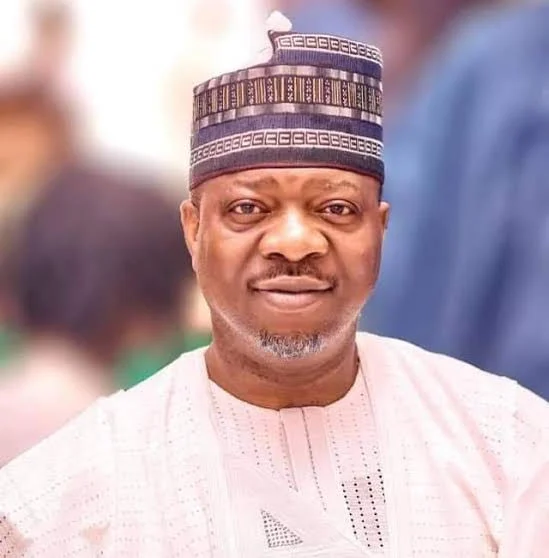
A member of the House of Representatives, Raheem Ajuloopin, has introduced a bill seeking the creation of additional Local Government Areas in Kwara State, arguing that the move will bolster grassroots governance and reinforce national security.
Ajuloopin, who represents the Ekiti/Irepodun/Isin/Oke-Ero Federal Constituency, announced the proposal in a statement released by his Special Assistant on New Media, Jamiu Balogun, and made available to New Daily Prime on Wednesday in Ilorin.
According to the lawmaker, the legislation forms part of his wider efforts to bring government closer to the people, improve administrative efficiency and accelerate development across various communities. He revealed that the bill is one of two he recently sponsored at the National Assembly, the second being an amendment to the Private Guards Companies Act.
Ajuloopin explained that the amendment to the Act aims to empower licensed private security firms to play a more prominent role in security delivery. This, he said, would allow agencies such as the Nigeria Police Force to focus on critical tasks including criminal investigations, intelligence gathering and prosecution.
He argued that new LGAs would significantly enhance Nigeria’s security architecture by easing the pressure on overstretched councils, many of which currently struggle to respond swiftly to local security challenges and governance demands. “Smaller, localised councils would provide faster and more effective service delivery,” he noted, adding that both legislative proposals align with his commitment to policies that promote development, security and good governance.
Kwara State has a history of attempting to expand its local government structure. In 2014, the state government set up a 14-member committee to assess the feasibility of creating Local Council Development Areas, citing growth in population, extensive land area and rising administrative needs. Earlier, LCDAs created during the final months of former Governor Mohammed Lawal’s administration in 2002 were abolished by his successor, Dr Bukola Saraki, in 2003 due to what was then described as funding constraints.
Kwara continues to operate the 16-LGA framework established under the 1976 local government reforms. If Ajuloopin’s bill passes, it would mark a significant restructuring of the state’s governance landscape, potentially increasing administrative units, expanding representation and improving response times to security issues at the grassroots.

