


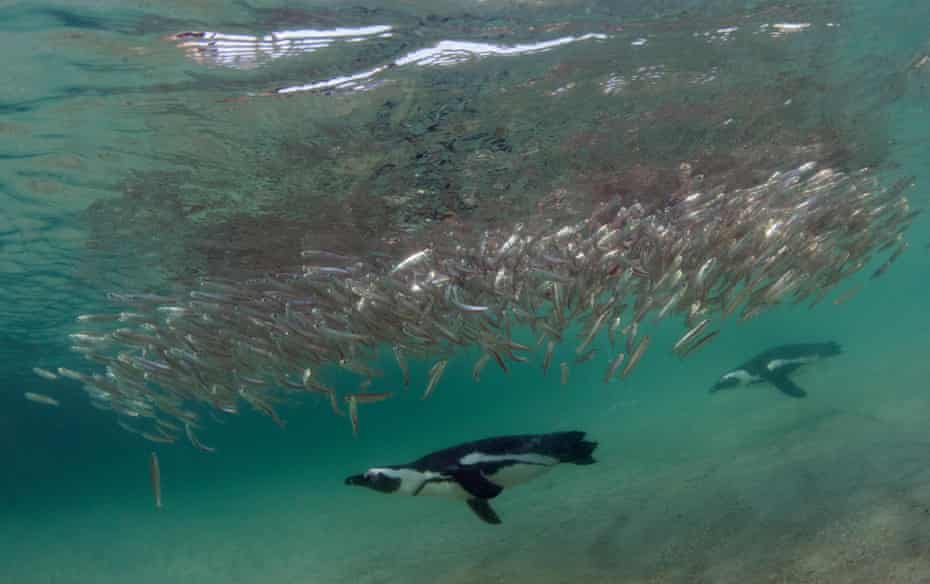
PengMore than 60,000 African penguins have starved to death off the coast of South Africa due to the disappearance of sardines, a new study has revealed.
The paper, published in Ostrich: Journal of African Ornithology, found that over 95% of penguins in two key breeding colonies on Dassen Island and Robben Island died between 2004 and 2012. Researchers concluded that the birds likely starved during their annual moulting period, when they are confined to land for about three weeks and rely on fat reserves built up beforehand.
Dr Richard Sherley of the University of Exeter said the losses were not isolated. “These declines are mirrored elsewhere,” he noted, adding that the species has suffered a population decline of nearly 80% in the past 30 years.
African penguins shed and replace their feathers each year to maintain insulation and waterproofing. Without sufficient food before or after moulting, they cannot survive the fasting period. Sherley explained that carcasses are rarely found, suggesting many penguins die at sea.
The study reported that, for all but three years since 2004, sardine biomass off western South Africa fell to just 25% of its maximum abundance. Sardinops sagax, the sardine species, is a crucial food source for penguins. Climate change has disrupted spawning through shifts in temperature and salinity, while fishing levels have remained high.
In 2024, African penguins were classified as critically endangered, with fewer than 10,000 breeding pairs remaining.
Conservationists are working to improve survival rates by building artificial nests, managing predators, and hand-rearing vulnerable chicks and adults. Authorities have also banned commercial purse-seine fishing around the six largest penguin colonies, aiming to increase access to prey during critical stages of the birds’ life cycle.
Dr Azwianewi Makhado of South Africa’s Department of Forestry, Fisheries and the Environment said the measures should help penguins secure food at vital times.
But experts warn the situation remains dire. Professor Lorien Pichegru of Nelson Mandela University, who was not involved in the study, described the findings as “extremely concerning” and pointed to decades of mismanagement of small fish populations.
“The results are only based on penguins’ survival until 2011, but the situation has not improved over time,” she said. Pichegru stressed that urgent action is needed to restore fish stocks, not only for penguins but for other species that depend on them

