


The African Democratic Congress (ADC) in Kano State has adopted a new leadership arrangement following a stakeholders’ meeting convened to address the party’s internal structure. The outcome, described by party officials as consensual, reflects recent political shifts and an influx of new members into the organisation.
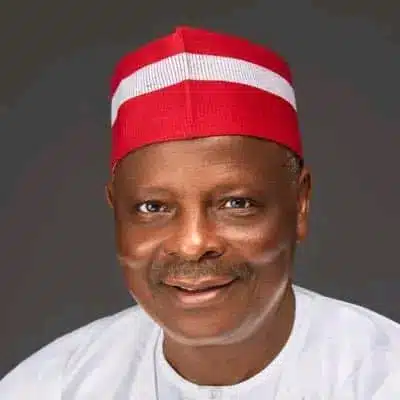
Under the agreement reached, 60 per cent of the party’s leadership positions will be assigned to supporters of former Kano State Governor, Rabiu Musa Kwankwaso. The remaining 40 per cent will be distributed among long-standing members of the ADC and other groups that have recently joined its ranks.
Kano State Chairman of the ADC, Musa Ungogo, confirmed the arrangement and indicated that it was designed to reflect the current composition of the party. He noted that the ADC in Kano has witnessed a steady rise in membership, with individuals defecting from various political platforms as well as others entering politics for the first time.
Ungogo stated that no specific provision was made for former Deputy Governor Nasiru Gawuna in the sharing formula. However, he explained that Gawuna is now aligned with Kwankwaso and would therefore be accommodated within the bloc allocated to the former governor’s supporters.
The chairman further outlined that the 40 per cent share would include members from a range of political backgrounds, including the Labour Party, the People’s Democratic Party (PDP), defectors from the All Progressives Congress (APC), and members of the Social Democratic Party (SDP). He added that individuals who had not previously been politically active would also be considered within this allocation.
According to Ungogo, the process of assigning leadership roles will be conducted through consensus, with no plans for contested positions. He maintained that stakeholders expressed satisfaction with the arrangement and suggested that the approach would minimise internal disagreements.
The ADC leadership in Kano also pointed to what it described as increasing political relevance within the state. Ungogo attributed this development partly to Kwankwaso’s involvement, which he characterised as strengthening the party’s standing.
The development illustrates ongoing realignments within Kano’s political landscape, as parties continue to adjust their structures in response to shifting alliances and growing competition.

