



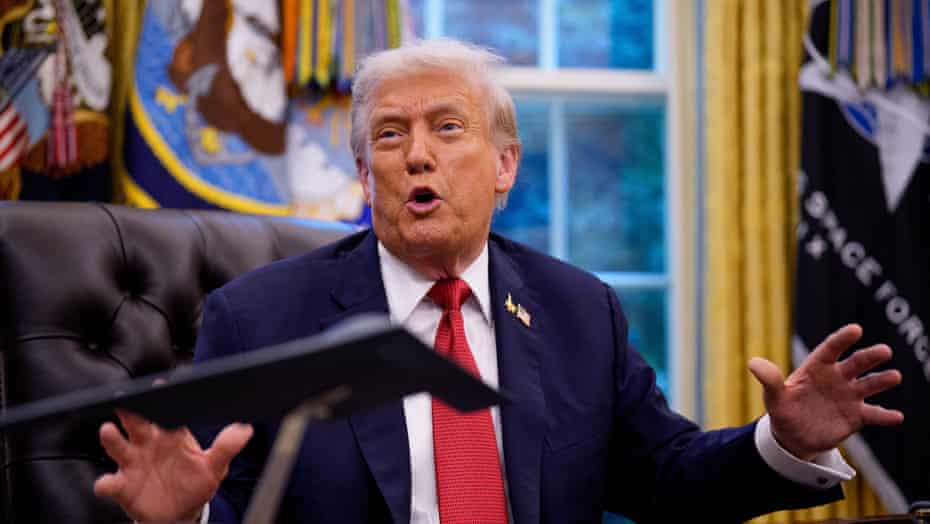
The Supreme Court of the United States has invalidated the broad global tariffs introduced by President Donald Trump, ruling that he exceeded his constitutional authority.
In a 6–3 decision issued on Friday, the justices upheld a lower court’s determination that Trump improperly relied on the International Emergency Economic Powers Act (IEEPA) to justify the sweeping import duties.
The court found that the 1977 law, which was crafted to address national emergencies, does not grant the president unilateral power to impose extensive tariffs without approval from Congress.
Chief Justice John Roberts, who authored the majority opinion, stressed the constitutional boundaries surrounding executive authority in taxation matters.
Referencing established legal precedent, Roberts wrote that “the president must ‘point to clear congressional authorization’ to justify his extraordinary assertion of the power to impose tariffs. He cannot”.
The ruling represents a significant constitutional setback for the administration and could reshape the direction of US trade policy.
Tariffs had been a cornerstone of Trump’s economic and foreign policy agenda, particularly during his second term in office. The measures intensified trade tensions globally, rattled financial markets and complicated diplomatic relations with major trading partners, contributing to wider economic uncertainty.

